 EN


The main effect of drinking energizing Chinese tea gabba (GABA oolong) is a paradoxical combination of deep relaxation and crystal-clear mental clarity. You stop worrying and muscle tension eases, yet you do not feel sleepy — on the contrary, it becomes easier to concentrate and make decisions.
Ordinary oolong works like coffee with a “shock absorber” — it energizes, but gently. Gabba tea works differently: it does not cushion the caffeine but adds a neurotransmitter effect of its own. You do not simply calm down — your brain switches from “fight or flight” mode to “mindful presence” mode. That is why after a cup of gabba you can tackle complex tasks without anxiety, and when you lie down to sleep, drift off without your thoughts “rewinding.” This is not relaxation through slowing down but relaxation through switching.
Hanna Vasileuskaya, blog editor at the Tea24 online store
What is gabba tea and why does it work?
Gabba tea is not a separate variety of the tea bush but the result of a special processing technology applied to ordinary oolong (most often from the high-mountain plantations of Alishan in Taiwan). It gets its name from the abbreviation GABA (gamma-aminobutyric acid) — the main inhibitory neurotransmitter of the human central nervous system.
How it is made
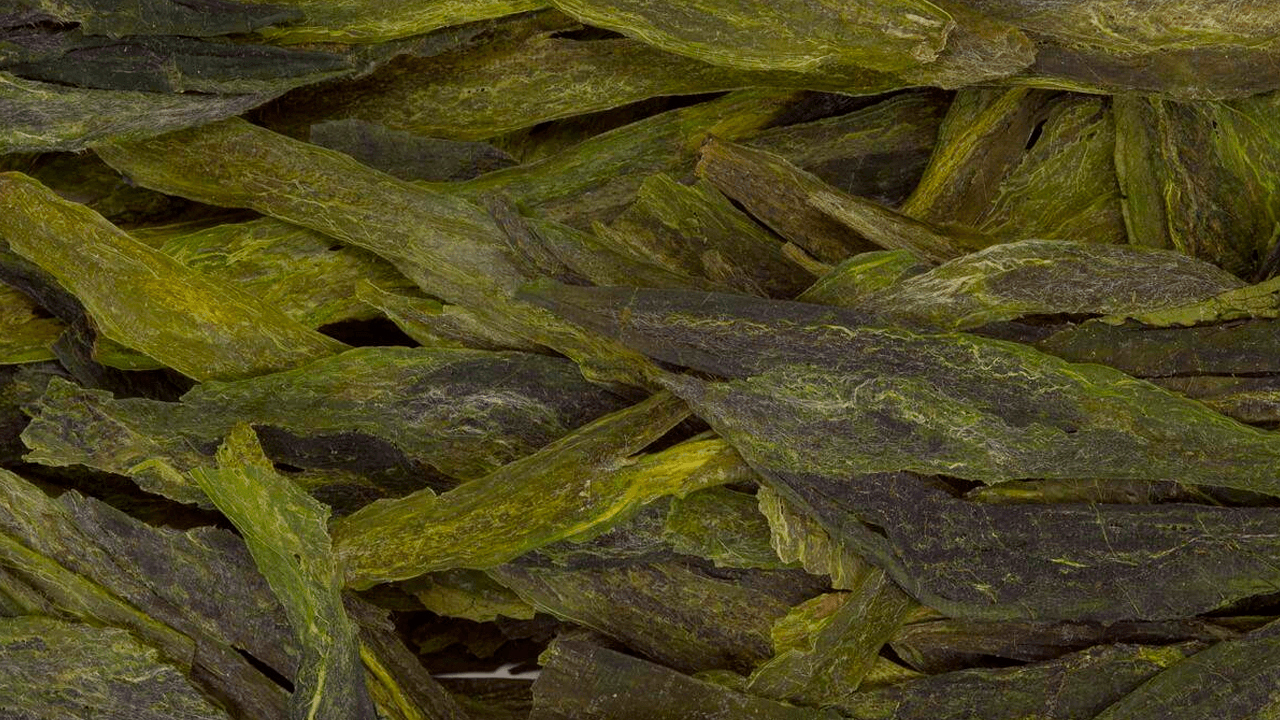
In 1987, Japanese scientists discovered that if freshly picked tea leaves are placed in an oxygen-free environment with nitrogen, the glutamic acid inside the leaf begins to convert into GABA. The process takes 8–10 hours at a temperature of 40–45°C. In ordinary teas the GABA content is negligible (less than 5 mg per 100 g). In a properly made gabba oolong it is 150 to 300 mg.
Flavor and aroma
Unlike a “medicinal” smell, gabba has a very pleasant profile. It is a floral-honey oolong with a light berry tartness and shades of prune or cherry jam. The aftertaste is long, slightly sweet, without bitterness.
What effect does gabba tea have?
The effects are divided into short-term (20–40 minutes after a cup) and long-term (after 2–3 weeks of regular drinking).
Short-term effects
- Less anxiety. The feeling of a “lump in the throat” or “inner trembling” fades.
- Better concentration. It is easier to hold your attention on a complex task and you get distracted less.
- Physical relaxation. Spasms in the neck and shoulders ease and breathing becomes deeper.
Long-term effects (with daily consumption of 1–2 cups)
- Better sleep quality. Falling asleep gets faster, night sleep becomes deeper, with fewer awakenings.
- Steadier blood pressure. Especially in people with prehypertension (130–139/85–89).
- Lower cortisol levels. The stress hormone returns to normal.
Scientific research
Unfortunately, there are few large-scale studies in humans, but the available data are encouraging.
| Parameter | Study result | Source |
| Blood pressure | Systolic reduction of 5–8 mm Hg in people with prehypertension | 2023 study, Versatile Effects of GABA Oolong Tea |
| Brain alpha rhythm | Increased alpha wave power (relaxed wakefulness) | EEG studies, 2022 |
| Anxiety | Reduction on the Hamilton scale of 20–30% | Preliminary data |
| Fatty liver | Reduced leptin and protection of hepatocytes (in mice) | 2023 study |
Important note: the effect is not noticeable for everyone. In people with initially normal GABA levels, the changes may be weak.
Possible harm and contraindications
Even such a mild tea can do harm if individual characteristics are not taken into account.
Who should avoid it or limit it strongly:
- Pregnant women (especially in the first trimester). The caffeine in tea may raise uterine tone. GABA in pregnancy has not been studied — it is not worth the risk.
- People with low blood pressure. If your pressure is 100/60 or lower, gabba may cause weakness and dizziness.
- People with severe kidney disease. The elimination of GABA and caffeine is impaired.
- Children under 12. The nervous system is still forming and the reaction is unpredictable.
- People taking benzodiazepines (diazepam, phenazepam). GABA may enhance their effect — consult a doctor.
How to brew gabba tea for the maximum effect
Gabba is fairly forgiving, but to bring out its full flavor and effect, follow the rules.
Optimal parameters:
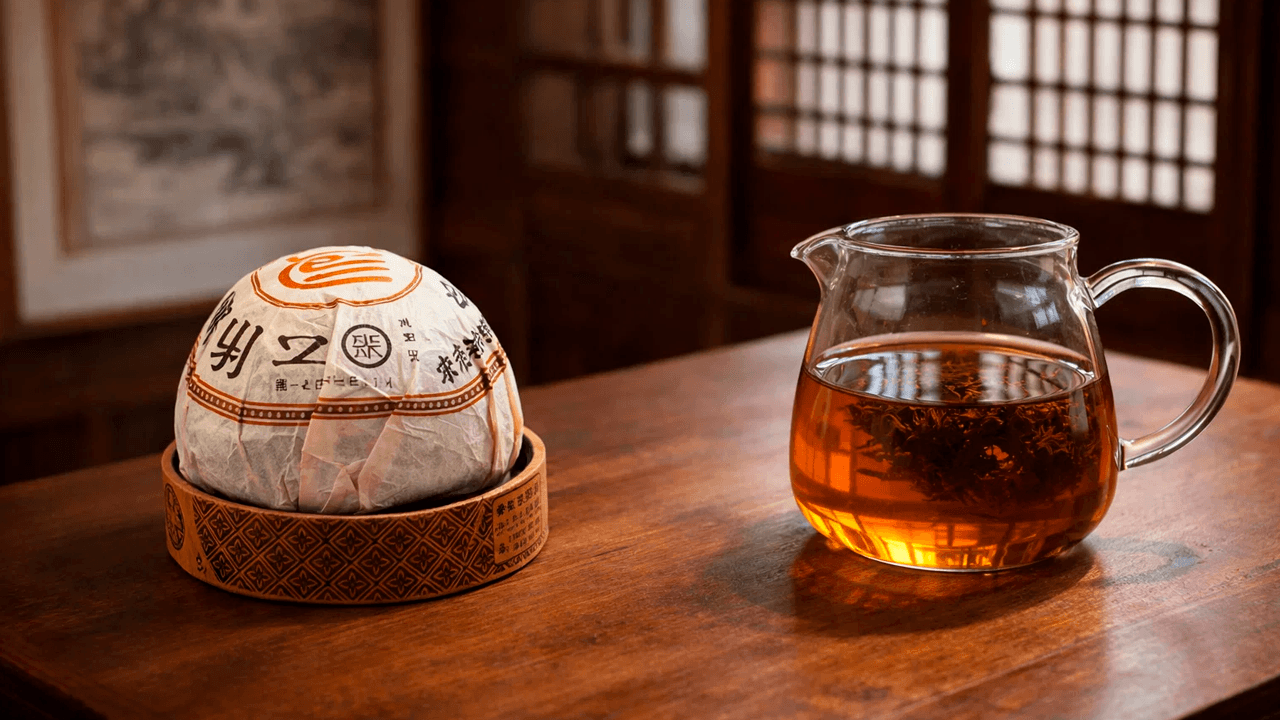
- Water temperature: 85–90°C (boiling water kills delicate aromas).
- Proportion: 5–6 g per 150 ml of water.
- Teaware: porcelain gaiwan, glass teapot or clay (but clay “smooths” the effect, so porcelain is better for beginners).
- Steeping time: first infusion — 30–40 seconds, then +10–15 seconds for each following one.
Step-by-step instructions:
- Warm the teaware with boiling water.
- Add the tea and cover with water for 5–10 seconds. Pour it off — this is the rinse.
- Pour water over the leaves again. Steep for 30–40 seconds.
- Pour into cups. Do not leave the leaves sitting in the water.
- Good gabba withstands 5–7 infusions. The third or fourth infusion is often the tastiest.
Gabba tea is not a cure-all, but a very worthy tool for managing how you feel. If you are constantly anxious, sleep poorly or feel a “fog in your head” — try drinking a cup of gabba in the first half of the day for two weeks. You will most likely notice that you have become calmer and more productive. Just do not expect a miracle in a single day. And be sure to consult a doctor if you have low blood pressure, are pregnant or take sedatives. For a healthy person under moderate stress, this is perhaps one of the best tea experiments.
Frequently asked questions about the effect of gabba tea
Is it true or a myth that gabba tea can have a narcotic effect?
Gabba (ivan chai) contains no narcotic substances and does not cause a narcotic effect. It is a natural herbal drink, rich in vitamins and antioxidants, that has a calming and energizing action but is not psychoactive.


