 EN


Sheng and shu pu-erh differ first of all in their fermentation technology: sheng is naturally aged green tea that matures over the years, while shu is artificially accelerated post-fermentation using the “wo dui” method (wet piling), which yields a ready dark brew in just a couple of months. Everything else — flavor, color, effect on the body and brewing rules — follows from this basic divergence.
Shared origin and raw material
Both kinds of pu-erh are made from the same raw material — the large-leaf tea bush of the Assam variety (Camellia sinensis var. assamica), grown in China’s Yunnan province. Mostly mature leaves with buds are picked, and the older the bush, the more valuable the material is considered. There is no difference between sheng and shu at the harvest stage — it is created afterwards, at the factory.
Age classification
The division into age categories is also shared, but there is a nuance. For sheng, age is decisive: the older, the softer, more complex and more expensive. For shu, age is secondary — it is already “ready,” and aging only slightly smooths out the sharpness without changing the profile dramatically.
Key technological differences
It is the technology that creates the gulf between these two kinds. In short: sheng follows the path of natural time, shu the path of industrial acceleration.
Making sheng pu-erh
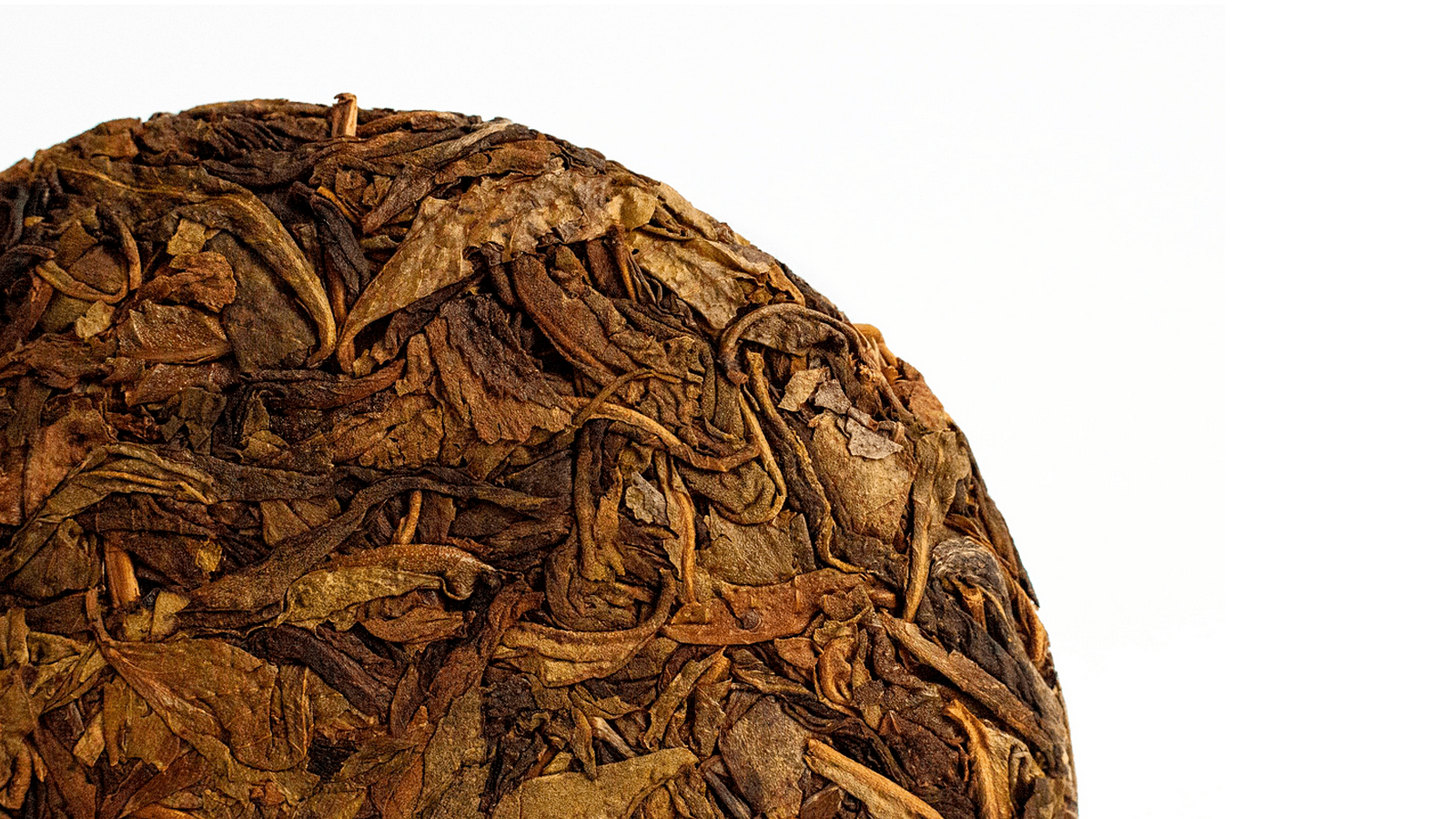
Sheng (raw, green) pu-erh is classic green tea that does not undergo full fermentation after rolling and drying. It is steamed (fixation) to stop oxidation, then rolled and dried in the sun. After that it is pressed into cakes, bricks or nests and sent off to age.
Making shu pu-erh
Shu (dark, black) pu-erh appeared in the 1970s as an attempt to artificially reproduce the flavor of aged sheng in a short time. The raw material goes through the same initial processing (fixation, rolling, drying), and then comes the key stage.
Sensory differences
Flavor, aroma and the color of the brew are what the average consumer notices first. This is where sheng and shu part ways completely.
Flavor and aroma
- Young sheng (up to 5 years): grassy, astringent, with a touch of bitterness and smoky notes, reminiscent of a good green tea with a bright, invigorating tartness.
- Aged sheng (10 years and older): soft, slightly sweet, with fruity (dried apricot, prune) and woody shades; the bitterness fades and a thick, oily texture appears.
- Shu pu-erh: full, rich, earthy, with notes of damp wood, nuts, sometimes chocolate and dried fruit. Practically no bitterness, with a pleasant sweetness in the aftertaste.
Color of the brew
Young sheng is yellow-green or pale amber. Over the years the color darkens to a deep dark yellow, and in old specimens (20+ years) to red-brown. Shu pu-erh gives a dark red, almost black brew right away, similar to strong black tea or coffee.
Aroma of the dry leaf
Sheng smells of dried herbs, wormwood and a light smokiness (especially if it was stored in a humid climate). Shu smells of damp earth, compost and old wood (for some this smell is reminiscent of a cellar, for others of noble aging).
Effects and characteristics
Both pu-erhs are enjoyed for their qualities, but they behave differently because of the different composition of their fermented compounds.
- Sheng pu-erh: energy and alertness. Sheng acts like green tea: it is energizing, can help concentration and is associated with faster metabolism. Thanks to its high catechin content it is a powerful antioxidant. However, it is harder on the stomach lining, especially when young. It is not recommended on an empty stomach with gastritis or ulcers. Sheng also actively removes excess fluid, which may be useful with swelling, but calls for caution with low blood pressure (it may lower pressure).
- Shu pu-erh: warmth and digestion. Shu acts more gently and “warmer”: it is calming, is often drunk to aid digestion, and is said to help break down fats and support healthy cholesterol levels. It suits even people with a sensitive digestive tract, because during fermentation the tannins become less aggressive. Shu is not energizing but rather relaxing, so it is drunk at any time of day, but especially after a meal.
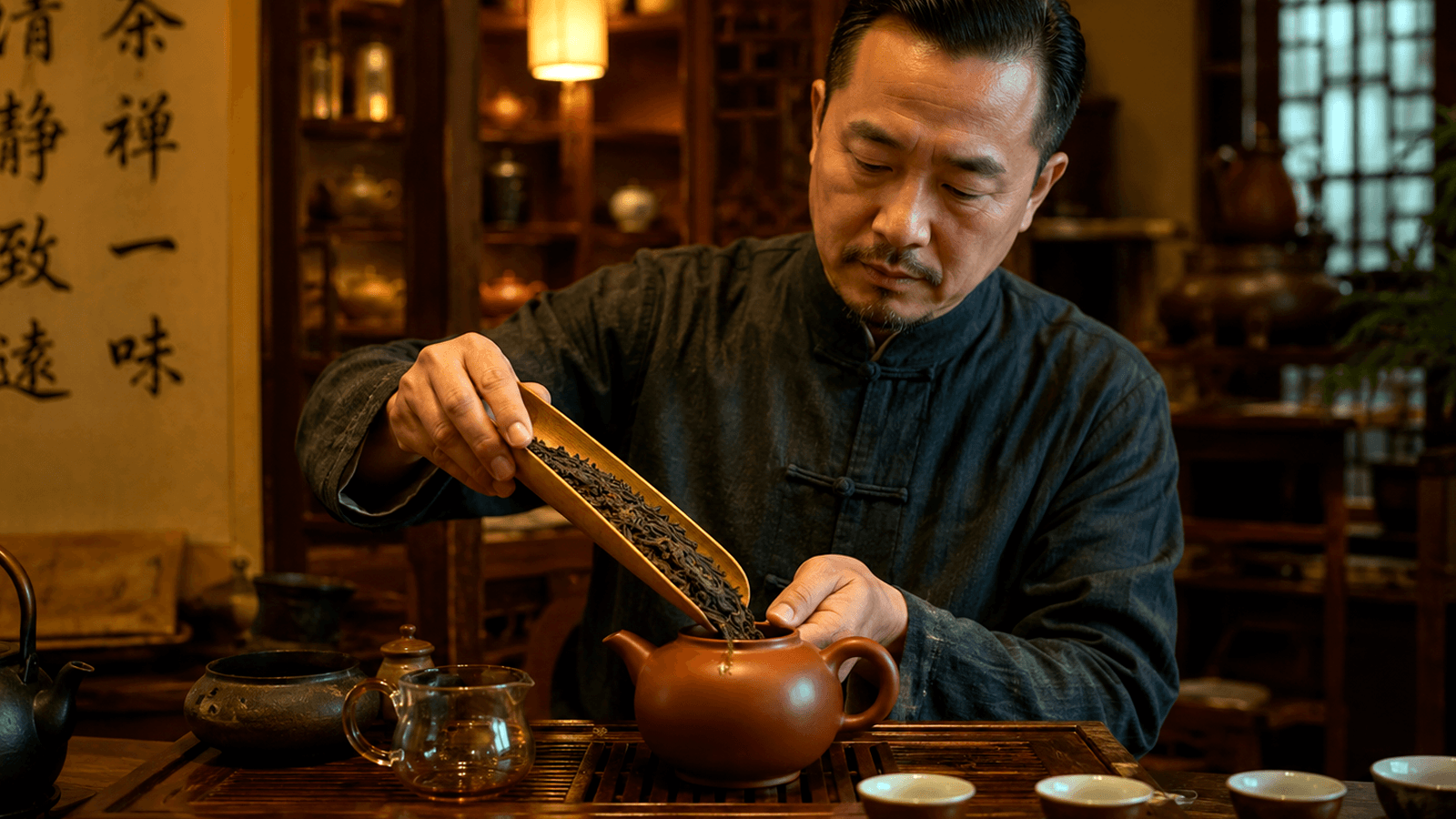
Sheng and shu pu-erh are two completely different conversations with your body. Sheng works like morning mountain air: it energizes by stimulating the sympathetic nervous system, raises vascular tone and concentration, but calls for caution with a sensitive digestive tract. Shu, by contrast, is like an evening fire in the hearth — it engages the parasympathetic system, supports gut motility and lowers the stress hormone cortisol thanks to unique postbiotics formed during fermentation. That is why sheng is ideal for intellectual tasks, and shu for winding down after a heavy lunch or a hard day. By choosing between them, you choose not just a flavor but a working mode for your nervous system.
Hanna Vasileuskaya, blog editor at the Tea24 online store
How to choose
Choosing between sheng and shu as a beginner
- If you want an invigorating effect and are ready for astringency — go for young sheng (but be sure to brew it with short infusions).
- If you are looking for a soft, warming drink with an earthy character — shu is your choice.
- If you have stomach trouble — shu is preferable, especially aged shu.
- On a limited budget — quality shu is more affordable than good aged sheng (good old sheng costs several times more).
For clarity, here is a cheat-sheet table of brewing settings. It does not duplicate the text above but gives clear numbers at hand.
| Specification | Sheng pu-erh (young) | Sheng pu-erh (old, 10+) | Shu pu-erh |
| Water temperature | 85–90 °C | 95 °C | 95–100 °C |
| Amount per 150 ml | 5–7 g | 6–8 g | 6–8 g |
| First infusion time | 5–8 sec | 8–10 sec | 10 sec (rinse) + 5 sec |
| Number of good infusions | up to 8 | up to 12 | up to 10–12 |
| Recommended teaware | clay or porcelain teapot | clay teapot | clay teapot |
| Rinsing | 1 time (10 sec) | 1 time (15 sec) | 2 times, 10 sec each |
How to store it and how much to drink
Pu-erhs (both) are aged teas, and they are stored in dry, dark, ventilated places free of foreign odors. Sheng keeps evolving during storage, shu hardly does. Do not keep pu-erh in the refrigerator or in the sun — this kills the fermentation.
2–3 brewing sessions a day (5–7 infusions each) are enough — that is about 10–12 g of dry tea. Overdoing pu-erh can cause “tea drunkenness” (dizziness, nausea) because of its high alkaloid content, especially in sheng. Drink with pleasure, but in moderation.
Sheng and shu pu-erh are two completely different drinks from the same leaf that went their separate ways in the mid-20th century. Sheng is a philosophy of time, long waiting and yearly metamorphoses of flavor. Shu is a modern, predictable and accessible way to get a dark, deep drink without waiting 15 years. Both have a right to exist, and the right choice depends only on your taste preferences, how you feel and your mood. Try both, brew them by all the rules — and you will understand which one is yours. And if not, remember the table above and keep experimenting, because pu-erh, like good wine, does not tolerate hasty conclusions.


