 EN


Putting together an objective top 10 of Chinese teas is impossible without understanding their types, regions and processing methods. That is why this ranking is based not only on popularity but also on parameters such as oxidation, place of origin and harvest season. If after reading you would like to try something from the list, buying good-quality Chinese tea in Warsaw is easy today — for example, in specialty shops like Tea Mail or through online platforms with delivery all over Poland.
What determines a tea’s place in the ranking
Chinese tea tradition has six main categories: green, white, yellow, oolong, black (called “red” in China) and dark (post-fermented). The top ten includes the best representatives of each group, except for the most exotic ones (for example, yellow tea is represented by only one variety because of its rarity). We took into account not only flavor and aroma but also the ability to withstand multiple infusions and the consistency of quality when stored properly.

An additional criterion was availability to buyers outside China. Some unique teas (for example, from the single mother bush of Da Hong Pao) cost tens of thousands of dollars and are not found in actual retail, so the ranking uses their genetic copies grown in the same conditions. Below is a table with a brief summary of the ten varieties, followed by detailed descriptions.
| No. | Name | Type | Oxidation level | Main flavor | Water temperature |
| 1 | Longjing | Green | 0% | Roasted nuts, sweetness | 75-80°C |
| 2 | Bi Luo Chun | Green | 0% | Orchid, honey, peach | 70-75°C |
| 3 | Da Hong Pao | Oolong | 50-60% | Minerals, chocolate, plum | 90-95°C |
| 4 | Tie Guan Yin | Oolong | 15-30% | Lilac, lily of the valley, milky sweetness | 85-90°C |
| 5 | Sheng Pu-erh | Dark | post-fermentation | Dried apricot, herbs, light bitterness | 90-95°C |
| 6 | Shu Pu-erh | Dark | post-fermentation | Earth, dried fruit, moss | 95-100°C |
| 7 | Junshan Yinzhen | Yellow | 10-15% | Honey, velvety sweetness | 80-85°C |
| 8 | Bai Mu Dan | White | 5-10% | Flowers, honey, freshness | 75-80°C |
| 9 | Qi Men Hong Cha | Black | 90-100% | Pine, orchid, sweet potato | 90-95°C |
| 10 | GABA Oolong | Oolong | 40-50% | Caramel, cream | 85-90°C |
Strengths of Chinese teas
- Longjing from the area around West Lake (Xihu) is the king of green teas. Its flat leaves take on a characteristic nutty tone after roasting, and the brew stays clear and golden-green. The flavor is soft, with a long sweetness and no bitterness at all. The best Longjing is picked before the Qingming festival (early April) — such tea is labeled “premium Qingming” and costs considerably more. It should be stored in the refrigerator, otherwise it loses its aroma within a month.
- Bi Luo Chun translates as “Emerald Spirals of Spring.” It is the most aromatic green tea: its finely curled little leaves, covered in silvery down, smell of orchid, peach and fresh honey when brewed. The flavor is full, sweet and refreshing. Only the tips of the shoots are picked (a bud plus the first leaf), so one picker gathers no more than 200 grams of raw material a day. Genuine Bi Luo Chun cannot be cheap. The brewing water should be no hotter than 75°C, otherwise the aroma is destroyed.
- Da Hong Pao — the “Big Red Robe” from the Wuyi mountains. It is a rock oolong with a powerful mineral flavor reminiscent of wet stone after rain. It comes with notes of dark chocolate, roasted nuts and ripe plum. The aftertaste is long, warm and slightly sweet. There are only four mother bushes, but their genetic clones give a very similar flavor. Brew it with boiling water (95°C) in short infusions of 10–15 seconds — it withstands up to 8–10 infusions.
- Tie Guan Yin (“Iron Goddess of Mercy”) is the most recognizable oolong in the world. In the classic lightly oxidized version it gives a clear golden brew and a heady floral aroma of lilac and lily of the valley. There is also a roasted “Lao Tie Guan Yin” with nutty notes and a dark amber color. Good Tie Guan Yin unfolds slowly: the flavor peaks at the 3rd–5th infusion, and 7–8 infusions can be had in all. It is one of the few teas that forgives a beginner’s mistakes and rarely turns bitter.
- Sheng Pu-erh — raw (green) pu-erh pressed into cakes or bricks. Fresh, it resembles green tea with herbal and fruity notes (dried apricot, dates). Over the years the bitterness fades and tones of old wood, leather and tobacco appear. The best shengs age for 10–20 years. How to recognize a quality sheng: the leaf should be whole, without crumbs; the aroma of the dry tea should be clean, without mold; after brewing, the leaves unfurl fully rather than staying as black clumps.
- Shu Pu-erh — ripe pu-erh with accelerated fermentation (artificial “wetting” for 60–90 days). The result is a dark, almost black brew with the aroma of damp earth, dried fruit and moss. The flavor is soft, thick and enveloping. Thanks to the probiotics formed during fermentation, shu pu-erh is said to aid digestion, which is why it is often drunk after a hearty meal. It also gives a gentle lift of energy without a racing heart. People with stomach ulcers should be careful.
- Junshan Yinzhen — the rarest yellow tea. Its production includes a “sweltering” stage under a damp cloth, which removes grassy notes and gives the drink incredible velvetiness and sweetness. The aroma recalls wildflowers, honey and baked apple. Production is very labor-intensive, so yellow teas make up less than 1% of the Chinese market. Genuine Junshan Yinzhen is made only from buds picked on Junshan mountain, on an island in Dongting Lake. Fakes are common, so buy from trusted suppliers.
- Bai Mu Dan (“White Peony”) — unlike the elite Bai Hao Yinzhen (buds only), this white tea includes two young leaves. The flavor becomes richer and fuller but stays sweet and light. The dry leaves really do resemble an unopened peony. Bai Mu Dan is good in the first half of the day: it gently energizes, lifts the mood and does not overstimulate. Thanks to minimal processing, it retains a record amount of antioxidants — catechins and polyphenols. It can be brewed up to 5–6 times.
- Qi Men Hong Cha — the king of black teas. Its unique aroma is called “Keemun-like”: a blend of pine resin, orchid and sweet potato. The flavor is soft and velvety, with a noble hint of “old wine” and a light astringency. Unlike Indian Assam tea, which calls for milk and sugar, Qi Men is drunk plain. It warms and energizes nicely but acts more gently than coffee. Do not over-steep it: 3–4 minutes is enough, otherwise an unpleasant bitterness appears.
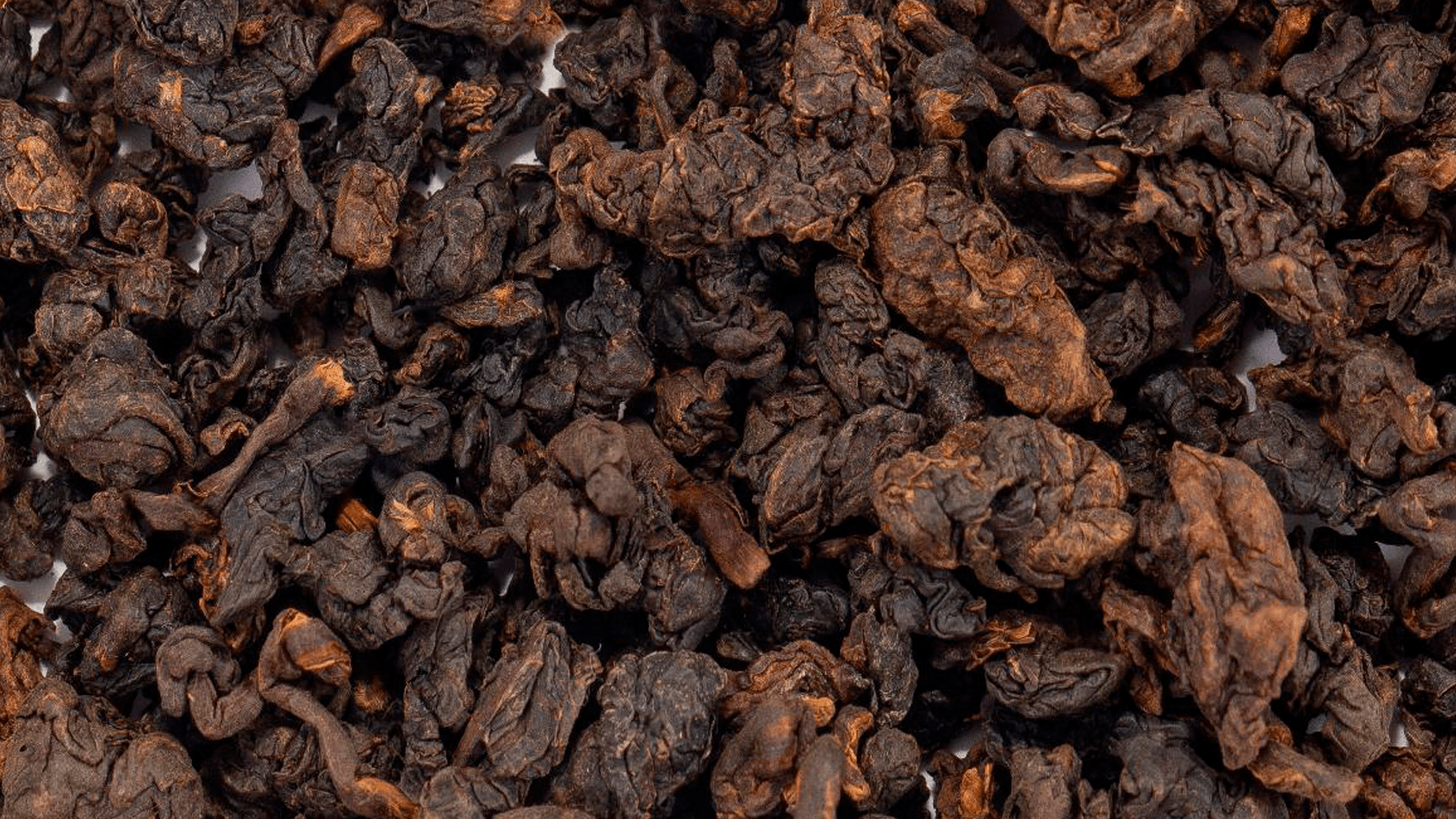
- GABA Oolong — a modern functional tea. It is aged in an oxygen-free environment, which leads to the accumulation of gamma-aminobutyric acid in the leaf. The flavor is rich and fruity, with caramel and creamy notes. The brew is thick and amber-red. GABA is said to ease anxiety, support sleep quality and help concentration without stimulating the cardiovascular system. It is an ideal evening tea for office workers and students.
GABA oolong is unique because gamma-aminobutyric acid accumulates in the leaves only in an oxygen-free environment that is stressful for the plant. But it is important to understand: when brewed with water that is too hot (above 95°C), the GABA starts to break down, and if steeped too long a bitterish aftertaste appears. The optimal mode is 85°C water and steeping for no longer than 30–40 seconds on the first infusion. And one more nuance: the effect of GABA is noticeable only after drinking at least 3–4 cups in a row, since GABA does not cross the blood–brain barrier in large amounts all at once. It is not a medicine but a gentle regulator that works cumulatively.
Hanna Vasileuskaya, blog editor at the Tea24 online store
How to choose and brew Chinese tea
Here are two cases where simple lists really help.
What to check when buying:
- The dry leaf should be whole, without crumbs and dust. For oolongs — tightly rolled, for green teas — even, flat leaves.
- The aroma should be clean, without sour, musty or distinctly “papery” notes. In old pu-erhs, tones of earth and old wood are acceptable, but not mold.
- The producer states the harvest region and date. For example, Longjing must come from the Xihu area, and Da Hong Pao from the Wuyi mountains.
How to brew (basic rules):
- Use soft water (bottled or filtered). Hard tap water kills the flavor of any tea.
- For green, white and yellow teas, the water temperature should be no higher than 80°C. For oolongs and black teas — 85–95°C. Pu-erhs (especially shu) can be brewed with boiling water.
- Brew in a porcelain gaiwan or a clay teapot. Metal and plastic are not acceptable.
All ten teas in this ranking deserve a place in your tea collection. Longjing and Bi Luo Chun will introduce you to the world of green teas, Tie Guan Yin and Da Hong Pao will reveal the depth of oolongs, pu-erhs will give the experience of aging and fermentation, and GABA will show where modern tea-making is heading. Start with two or three varieties from different categories and brew them in turn in one evening — this way you will understand your own preferences faster. If you live in Warsaw, many of the teas listed can be found in shops on Nowy Świat, or you can order tasting sets of 20–30 grams. Do not be afraid to experiment with brewing time and the amount of tea, but always write down the proportions that worked. Tea is a pleasure, not an exam, and your personal top 10 may not match the classic one. The main thing is that the process brings you joy.


