 EN


Matcha is valued first of all for its record concentration of antioxidants — in particular EGCG, of which it contains up to 137 times more than ordinary green tea — and for the unique combination of caffeine and L-theanine, which gives energy without jitters. Yet for all its merits, it can do harm when consumed without control: excess caffeine, impaired iron absorption and a high lead load are real risks worth knowing about before you buy your first pricey tin.
What is matcha and how is it made?
Matcha (or maccha, in Japanese transcription) is not simply green tea but a powder made from specially grown and processed tea leaves. Translated from Japanese, “maccha” means “ground tea.” Unlike loose-leaf tea, which is steeped and then discarded, matcha is consumed whole — you drink the powder itself, and so you get all the micronutrients of the tea leaf, with nothing left behind.
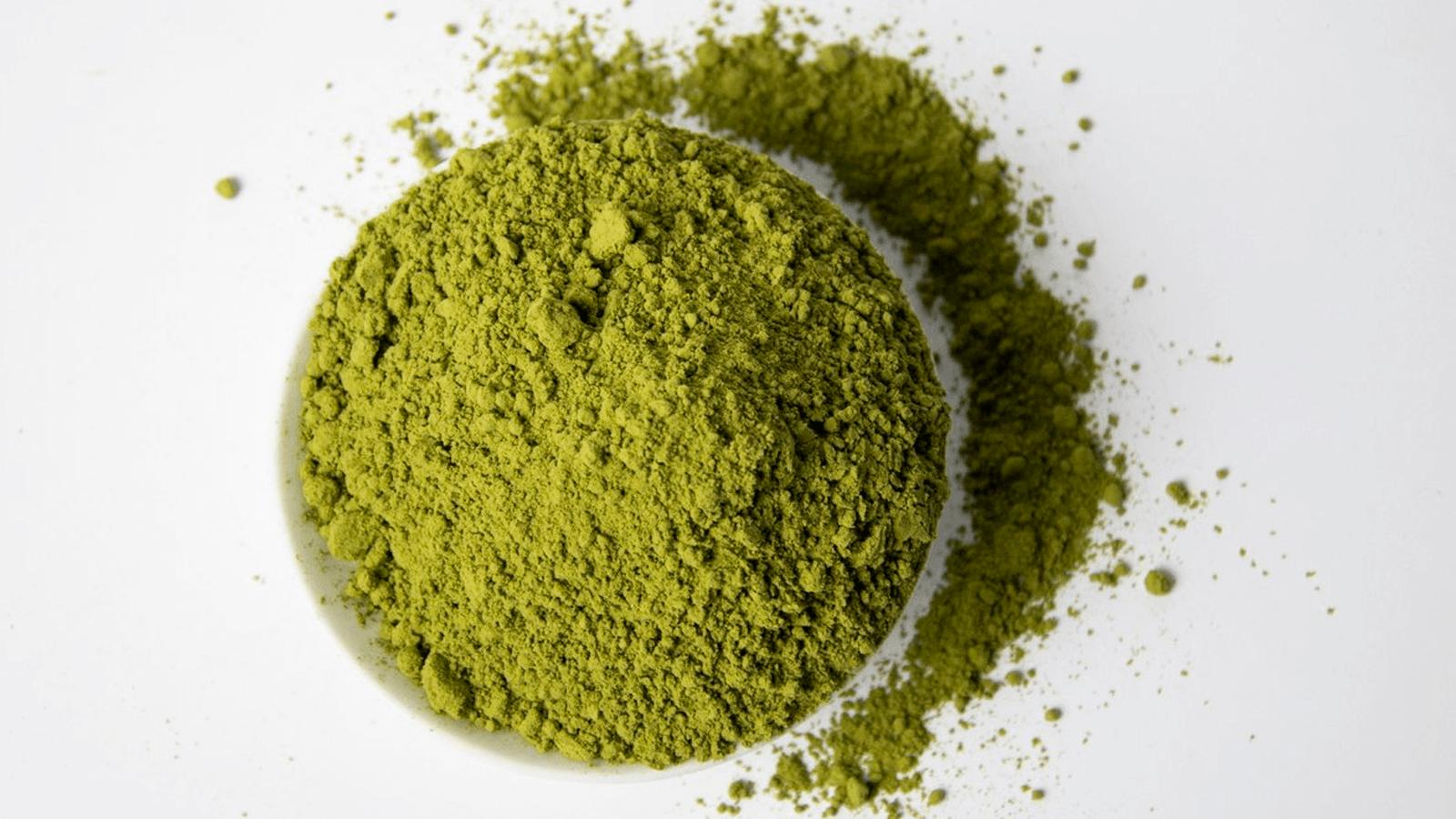
How it is grown
The main difference between matcha and other green teas is the way it is grown. 2–3 weeks before harvest, the tea bushes are covered with special bamboo mats or nets that limit sunlight. In the shade the plant starts producing chlorophyll more actively, which gives the leaves their bright green color, and also changes the chemical composition: the content of amino acids (including L-theanine) and antioxidants rises, and bitterness decreases.
How is matcha different from regular green tea?
The difference is not only in form. With regular green tea you steep the leaves and drink only the water extract — most of the beneficial compounds stay in the spent leaves. With matcha you consume the whole powder, so the concentration of nutrients per volume of liquid is 5–10 times higher, and by some measures even 100 times higher. The caffeine content is higher too: loose-leaf green tea has 25–45 mg per cup, matcha has 60–80 mg.
Benefits of matcha
There are more and more scientific papers on matcha, and most of them point to real positive effects.
- Cardiovascular system. According to a meta-analysis published in the European Journal of Nutrition, green tea catechins may help lower blood pressure and the level of “bad” cholesterol (LDL). Rutin, which is also found in matcha, strengthens blood vessel walls. Studies suggest that regular consumption of matcha may support the health of the heart and blood vessels.
- Brain, focus and stress. The main role here is played by the duo of caffeine and L-theanine. Caffeine energizes, while L-theanine slows its absorption, giving a steady, prolonged effect without sharp spikes and the crash that follows. L-theanine also contributes to the production of alpha waves in the brain — a state of relaxed concentration that helps reduce stress without drowsiness. Some small studies link L-theanine to better sleep quality and stress management.
- Antioxidant protection. Matcha contains four main catechins: EC, ECG, EGC and EGCG. Of these, EGCG is the most potent. These antioxidants neutralize free radicals, protecting cells from damage and slowing the processes of aging. In reviews of the scientific literature, matcha is mentioned as a product with antioxidant and anti-inflammatory potential.
- Metabolism and weight control. The caffeine and EGCG in matcha may speed up metabolism and fat oxidation, and also improve insulin sensitivity. However, matcha is not a “magic pill” for weight loss, but rather a helpful aid alongside proper nutrition and physical activity.
Matcha is not just an energy booster but a true neuroregulator. Unlike coffee, which gives a sharp spike followed by a crash, matcha works like a smart adaptogen: L-theanine does not simply “brake” the caffeine but synchronizes it with the brain’s alpha rhythms. You enter a state that neurobiologists call “relaxed concentration” — when attention sharpens and anxiety fades. That is why one cup of matcha gives a feeling of clarity without shaky hands, and in the evening you are not lying awake with racing thoughts. It is not magic but pure biochemistry, which works through the synergy of two molecules.
Hanna Vasileuskaya, blog editor at the Tea24 online store
Possible harm and contraindications
For all its merits, matcha is a drink with high biological activity, and uncontrolled consumption can lead to problems.
- Caffeine overload. One cup of matcha contains 60–80 mg of caffeine — more than ordinary green tea, but less than coffee (100–120 mg). But if you drink 3–4 cups a day, the total dose becomes noticeable. Symptoms of overdose: anxiety, rapid heartbeat, insomnia, headache, nausea. Doctors recommend drinking matcha in the first half of the day and not exceeding 1–2 cups.
- Iron absorption and anemia risk. Tannins in matcha can impair the absorption of iron from plant foods — by some data, by up to 60–90% in a single meal. This is especially relevant for vegetarians, people with anemia and those whose diet is not balanced in iron. However, matcha on its own does not cause anemia — the problem arises when it is combined with low iron intake. The solution: do not drink matcha during or right after a meal rich in plant-based iron, and keep an eye on your overall diet.
- Strain on the stomach and digestive tract. Because of its high content of caffeine and catechins, matcha can irritate the stomach lining, especially if drunk on an empty stomach. With gastritis, stomach ulcers and a sensitive digestive system, it is better to avoid the drink or have it only after a meal.
- Pregnancy, breastfeeding and other restrictions. Matcha is not recommended during pregnancy and breastfeeding because of the caffeine. It is also worth limiting or avoiding the drink with high blood pressure, thyroid conditions, and liver or kidney problems. With any chronic condition, consult a doctor before drinking it regularly.
Here are the main myths and facts about matcha, in a short list. It does not repeat the text but gives additional information for quick orientation.

How to prepare matcha properly
Preparing matcha is different from ordinary tea drinking. Temperature, proportions and technique all matter here.
The classic method
Sift 1–2 grams of powder (about 1 teaspoon) through a fine sieve into a cup or a special bowl (chawan) — this removes lumps. Pour in 70–80 ml of water heated to 70–80 °C (158–176 °F). Do not use boiling water — it destroys part of the aroma and antioxidants. Whisk with a bamboo whisk (chasen) in quick zigzag motions until a thick foam appears. The whole process takes less than a minute.
Matcha latte and other variations
For a latte, take 1 teaspoon of powder, pour in 50 ml of hot water (80 °C), whisk until smooth, then add 150 ml of warmed milk (dairy or plant-based). An important nuance: adding milk may slightly reduce the absorption of antioxidants, but in the context of a balanced diet this is not critical. Much more important is not to overdo the sugar: sweet matcha lattes from coffee shops can cancel out all the benefits of the drink.
Practical rules
Here is one more list — this time about choosing and storing matcha. It does not duplicate the main text but gives practical guidelines.
4 rules for choosing and storing matcha
- Buy matcha only from trusted producers with quality certification — this reduces the risk of heavy metals in the product.
- Ceremonial matcha (bright green, slightly sweet) is suited to tea drinking, while culinary matcha (darker and more bitter) is for baking and smoothies.
- Store the powder in an airtight container in a dark, cool place, away from sunlight and moisture.
- Shelf life after opening the package is no more than 2–3 months; over time the antioxidants break down and the flavor deteriorates.
Matcha is not just a trendy drink but a truly unique product with a high concentration of antioxidants, a gentle energizing effect and reported benefits for the heart, brain and metabolism. But it calls for respect: moderate dosage, proper preparation and consideration of individual contraindications are essential. Drink matcha mindfully, in the first half of the day, not on an empty stomach and without too much sugar — and it will become not just a trend but a good habit for years to come.
Frequently asked questions about matcha green tea
How do you drink Chinese matcha green tea?
Matcha is prepared by whisking the powder with hot water (70–80°C) with a bamboo whisk until foamy. It is also added to lattes, smoothies and desserts. It is important not to overheat it, to preserve the flavor and beneficial properties.
How is Chinese matcha different from Japanese matcha?
Chinese matcha is brighter, sweeter and richer, often prepared with milk or sugar. Japanese matcha is delicate, slightly bitter and powdery, used in tea ceremonies and prepared without additives.


