 EN


Buckwheat tea is valued for its high content of rutin and magnesium, but it may not suit people with a buckwheat allergy or those taking anticoagulants — this is the main thing to know before your first cup. We go through all its properties in detail, without marketing exaggeration.
What buckwheat tea is and what it is made from
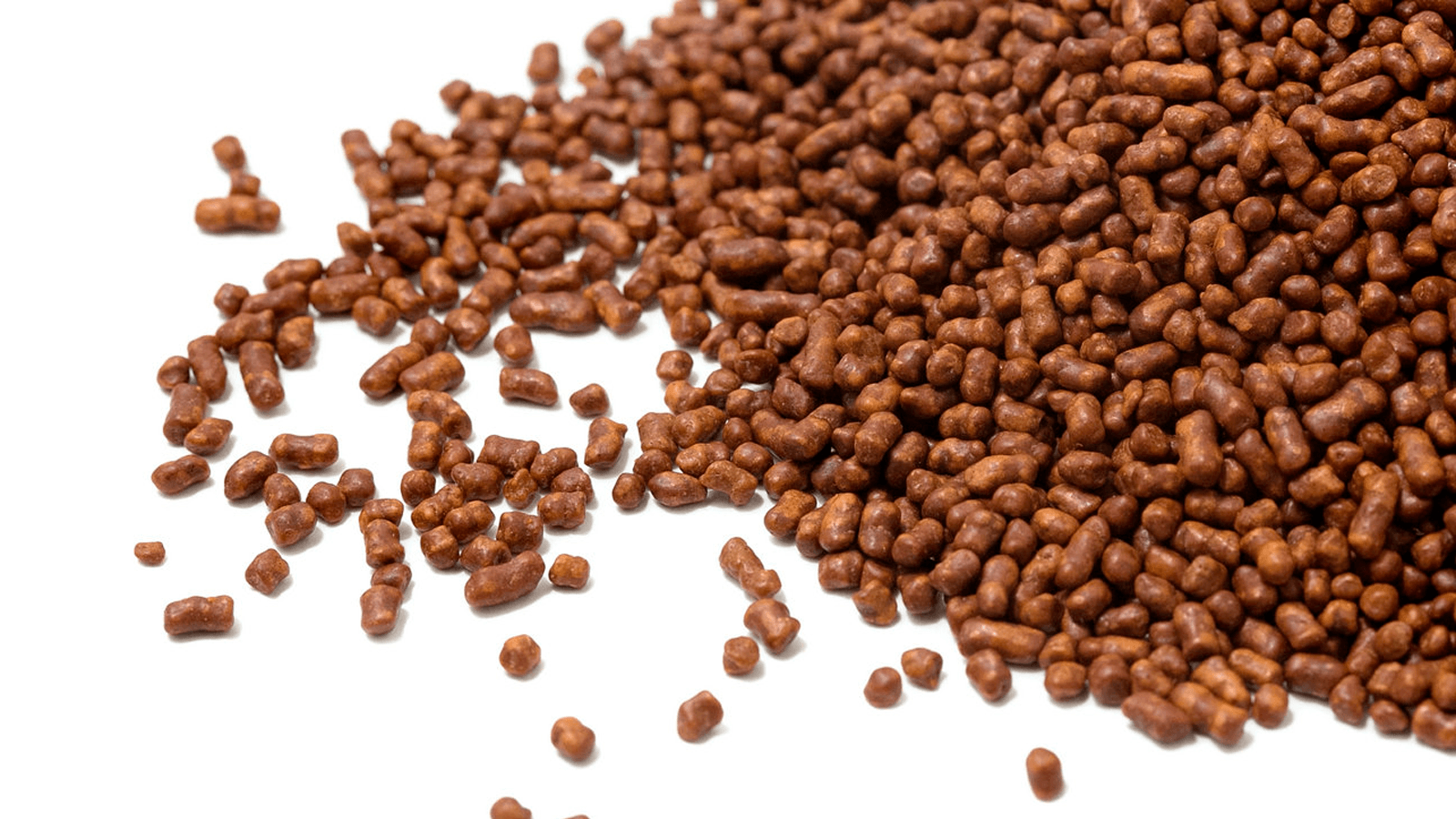
Buckwheat tea is not tea in the botanical sense but an herbal drink (tisane) made from buckwheat seeds. In China it is called ku qiao, in Korea memil-cha, in Japan soba-cha. It is made not from ordinary groats but from a wild species — Tartary buckwheat (Fagopyrum tataricum), in which the concentration of beneficial compounds is many times higher.
How it is made
Raw grains are hulled, steamed and then roasted at about 210 °C. Roasting gives the characteristic nutty, bread-like aroma with caramel notes.
Main types of buckwheat tea
- Dark — made from roasted grains, with a rich flavor and color.
- Light — made from unroasted (or lightly roasted) grains, more delicate, with herbal notes.
In Russia the dark granulated version is more common, as it is easier to brew. Important: the drink contains no caffeine, so it can be enjoyed in the evening without worrying about sleeplessness.
Chemical composition and nutritional value
The main value of buckwheat tea is not the vitamins and minerals themselves but the bioflavonoids (rutin, quercetin) and organic acids. Tartary buckwheat contains roughly 100 times more rutin than ordinary buckwheat groats.
For clarity, here is the approximate content of key components per 100 g of dry raw material (only part of it passes into the water when brewed, but regular consumption has a cumulative effect).
| Component | Content (mg) | Role in the body |
| Rutin (vitamin P) | up to 5000 | strengthens capillaries, reduces vessel permeability |
| Quercetin | up to 200 | powerful antioxidant, anti-inflammatory action |
| Magnesium | 220 | regulates the nervous system and heart rhythm |
| Potassium | 460 | maintains water-electrolyte balance and heart function |
| Iron | 3.2 | takes part in blood formation |
| Vitamin B3 (niacin) | 4.1 | supports microcirculation and carbohydrate metabolism |
The calorie content of the finished drink is minimal — 10–30 kcal per cup (5–10 g of raw material is brewed), so it fits a diet-conscious lifestyle.
Benefits of buckwheat tea
Below are the main positive effects reported in studies and observations.
Effect on the cardiovascular system
Rutin strengthens the walls of blood vessels and reduces their fragility and permeability. Combined with potassium and magnesium, it gives a mild effect on blood pressure — pressure normalizes gradually, without sharp swings.
Rutin and its role
This flavonoid not only strengthens veins but also reduces swelling by improving venous outflow. In European pharmacology, rutin is often part of vein-supporting products.
Quercetin as an antioxidant
Quercetin neutralizes free radicals and reduces oxidative stress — one of the key factors in aging and chronic disease.
Effect on metabolism and the nervous system
Buckwheat tea may help smooth out peaks in glucose after meals. Quercetin increases receptor sensitivity to insulin. Magnesium and the absence of caffeine give a gentle calming effect — the drink relaxes without causing drowsiness and may ease anxiety and support sleep quality.
With buckwheat tea we see a rare case where a drink works not through stimulation but through “nourishing” the nervous system. If ordinary caffeinated tea makes the body spend its internal reserves, Tartary buckwheat, thanks to magnesium and rutin, acts as a gentle neuroprotector. It does not simply remove anxiety but creates a biochemical basis for calm — it lowers cortisol and improves microcirculation in the brain. That is why after a cup of buckwheat tea you feel clarity of mind without the “heaviness” typical of energizing drinks. It is an ideal choice for evening mental work or for winding down after a stressful day.
Hanna Vasileuskaya, blog editor at the Tea24 online store
Possible harm and contraindications
Despite its many merits, buckwheat tea is not for everyone. Here is a clear list of situations in which it is better to skip it or consult a doctor.
- Allergy to buckwheat or other plants of the knotweed family (sorrel, rhubarb) — skin reactions and swelling are possible.
- Taking anticoagulants (warfarin, heparin) — the high vitamin K content may reduce the effectiveness of the medication.
- Flare-up of gastritis, stomach ulcers and other acute digestive conditions — the drink stimulates gastric juice secretion, which increases irritation of the lining.
- Low blood pressure (hypotension) — because of its vessel-dilating effect, pressure may drop even further, causing weakness.
Interaction with medications
Besides anticoagulants, take care when using blood-pressure-lowering medication (its effect may be amplified) and iron supplements (flavonoids may affect absorption). In any case, if you are on regular therapy, it is better to consult your doctor before adding buckwheat tea to your diet.
The kidney stone myth
The common misconception that buckwheat tea causes kidney stones has no scientific confirmation. The drink has a mild diuretic effect, but for healthy people this is safe. If you have diagnosed stones or sand, consult a urologist.
How to brew and drink buckwheat tea properly
To get the most flavor out of it, follow a few simple rules.
Optimal brewing conditions
- Water — 90 °C (not boiling, otherwise part of the aromatic oils will evaporate).
- Proportion — 1–2 teaspoons of granules (or 5–10 g) per 200 ml of water.
- Time — 3 to 5 minutes for a light infusion, up to 30–40 minutes in a thermos for a strong one.
How many times can it be steeped
Quality granulated tea withstands up to three infusions. Each following infusion becomes milder, but the beneficial compounds (rutin, minerals) keep passing into the water. The third infusion is no longer as aromatic but still contains trace elements.
What to pair it with and when to drink it
On its own the drink is self-sufficient, but for variety you can add honey, lemon, mint or dried apples. However, if your goal is wellness, it is better to go without sweeteners. Thanks to the absence of caffeine, buckwheat tea is ideal for evening tea time — it is calming and helps you wind down before sleep.
Buckwheat tea is not a magic pill but a full-fledged functional drink, especially valued for its rutin and magnesium. It is suitable for most people but calls for caution with allergies, low blood pressure and certain medications. If you are looking for a caffeine-free alternative to black or green tea with a pleasant nutty taste — buckwheat tea is an excellent choice. Drink sensibly, listen to your body, and it will repay you with vitality and lightness without unnecessary stress.
Frequently asked questions about buckwheat tea
Can pregnant women drink buckwheat tea?
Yes, in moderate amounts, if there is no allergy or contraindication. Buckwheat is rich in iron and rutin, but it is best to consult a doctor.
Can you drink buckwheat tea at night?
Yes, since it contains no caffeine and promotes relaxation. However, individual reactions may differ.


