 EN


There are teas you drink for energy, and there are those you drink for the soul. The famous Tie Guan Yin oolong tea, whose name is poetically translated as “Iron Goddess of Mercy,” confidently belongs to the second category. Its emerald, heavy rolled leaf balls hide a whole universe of flavor — from cool floral and orchid notes to a deep honeyed aftertaste. But this goddess is capricious: one wrong move, and instead of a delicate bouquet you get slightly bitter grassiness. The key to the heart of Tie Guan Yin is precision, an almost scientific approach to every gram and every second. Let’s go through the three main brewing methods that will turn tea drinking into an art.
Why can’t you rush with this oolong?
Before reaching for the teapot, it is worth understanding what makes this tea unique. Tie Guan Yin is a heavily oxidized oolong that nevertheless keeps green notes, from Anxi County. It is celebrated not for a loud effect but for the incredible complexity and changeability of its flavor, which unfolds from infusion to infusion. The main enemies of this delicate tea are boiling water and time.
With Tie Guan Yin the rule is “the more delicate the aroma, the stricter the control.” Boiling water is to it what a hammer is to crystal: it technically works, but it destroys the essence. Above 90 degrees, the essential oils responsible for the orchid and creamy notes evaporate or turn into bitter phenols. And over-steeping turns a delicate floral bouquet into an astringent, flat brew. That is why Chinese masters say: “You don’t brew the Iron Goddess — you coax her into opening.”
Hanna Vasileuskaya, editor of the Tea24 online store blog
High temperature (above 90°C) instantly “seals” the leaf, releasing bitterness and tannins while killing the delicate aroma. And long steeping makes the infusion cloudy and harsh. Your goal is balance, where the leaf gives up all its layers of flavor gradually.
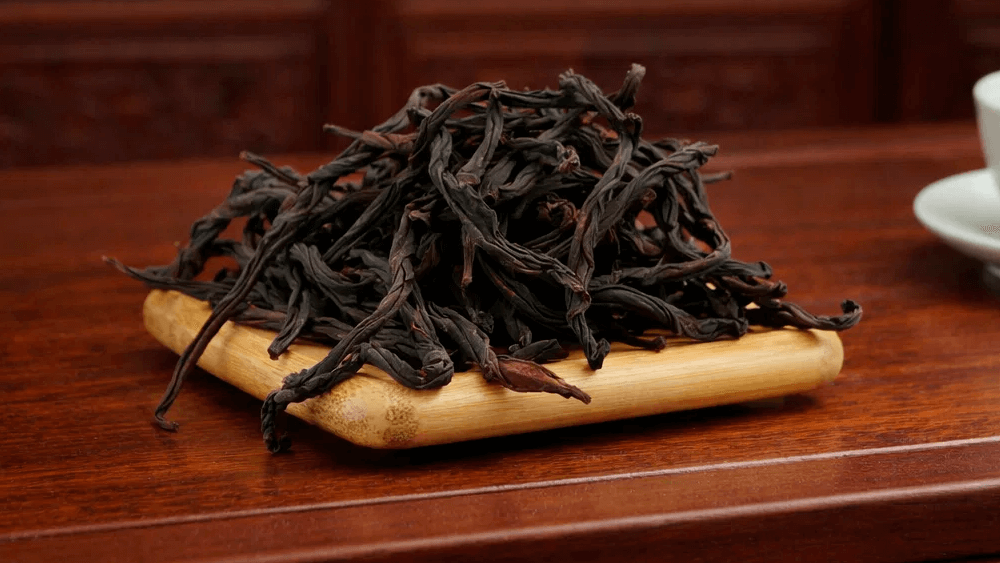
You can recognize quality Tie Guan Yin by its appearance: the leaf is rolled into dense, weighty balls of a rich green color with a light lettuce-green sheen. After brewing, they should fully open into whole, fleshy leaves with a reddish rim along the edge — a sign of proper fermentation.

Preparation
Success depends 70% on preparation. Forget about chlorinated tap water — it will destroy the aroma. Use soft bottled or well-filtered water. Teaware is the second pillar. For multiple infusions, Yixing clay or dense porcelain is ideal, as they hold heat well. For the European method, use a glass or porcelain teapot. Metal and plastic are unacceptable — they impart off-flavors.
The most important number to remember is 85-90°C. Bring the water to a boil (the “white water” stage) and let it cool for 1-2 minutes. At this point bubbles still rise from the bottom of the kettle, but there is no more rolling boil. This is exactly the kind of water — lively and hot — that the Iron Goddess needs.
Three ways to brew Tie Guan Yin
The choice of method depends on time, company and purpose. Here are three proven options:
- Gongfu Cha (multiple infusions): for a meditative, deep acquaintance with the tea. Maximum unfolding of flavor and aroma.
- In a teapot (European style): for everyday tea drinking among friends. A balance of simplicity and quality.
- In a thermos (travel): for those who value convenience and want a warm infusion at hand all day.
Brewing in multiple infusions (Gongfu Cha)
This method is a dialogue. You brew in small portions, a little longer with each infusion, watching the transformation. Take a 100-150 ml teapot (gaiwan or Yixing), a chahai (serving pitcher) and tea bowls.
Proportions and the first infusion: add plenty of tea — about 5-8 grams (1/3 of the teapot’s volume). Rinse quickly: pour in water at 85°C and pour it off immediately. This awakens the leaf and cleans it.
The magic of unfolding: the first real infusion lasts 10-15 seconds. Pour, wait, serve through the chahai. Drink slowly. The second infusion is 15-20 seconds, the third 20-25. Quality Tie Guan Yin will give 6-10 infusions, changing from fresh and floral to thick, creamy and honeyed.
Tie Guan Yin brewing parameters
For clarity, let’s put the key differences between the methods into one table. It is a cheat sheet that will help you get your bearings quickly.
| Parameter | Multiple infusions (Gongfu Cha) | In a teapot (500 ml) | In a thermos (1 l) |
| Amount of tea | 5-8 g (densely packed) | 7-10 g | 4-6 g (less, since the steeping is long) |
| Water temperature | 85-90°C | 85°C | 85°C |
| First steeping time | 10-15 sec. | 2-2.5 min. | 15-30 min. (can be several hours) |
| Flavor character | Multilayered, changing | Balanced, full | Very soft, sweet, velvety |
Brewing in a teapot
If you have no time for a ceremony but want quality tea, this method is for you. Put 7-10 grams of tea (about 1.5 tablespoons) into a warmed 400-500 ml porcelain or glass teapot. Pour in water at 85°C. Steeping time is 2-2.5 minutes. Don’t over-steep! Pour into cups right away so the tea doesn’t turn bitter. Tie Guan Yin brewed this way will give 1-2 more good infusions, increasing the time of each by a minute.
Brewing in a thermos
Paradoxically, in a glass or ceramic thermos Tie Guan Yin shows an unexpected side. Put 4-6 grams of tea per liter, pour in water at 85°C and close it. After 15-30 minutes you will get a delicate, very sweet and velvety infusion without bitterness. You can drink it all day, diluting it with water. It is an ideal method for the office or for travel.
What not to do
Tea is most often spoiled by simple slips. Be careful:
- Pouring boiling water (100°C). You will get a bitter, “cooked” taste and lose all the aroma.
- Skimping on tea. Tie Guan Yin demands generosity. A low concentration will give a pale, nondescript infusion.
- Leaving the leaves in the water. After steeping, separate the infusion from the leaf right away, otherwise the tea will “suffocate.”
What to pair Tie Guan Yin with and when to drink it
This oolong is self-sufficient. Drink it in the first half of the day or after lunch, apart from food, to appreciate the taste. Light, not-too-sweet treats go well with it: marshmallow, fruit pastila, nuts or unsalted crackers. But citrus, chocolate and spicy snacks are best avoided — they will drown out the tea’s subtle notes.
The main thing is attention
Brewing Tie Guan Yin oolong is not a difficult science but a practice of mindfulness. It does not matter whether you choose an elegant multi-infusion ceremony, a quick teapot or a handy thermos. What matters is to remember three pillars: the right temperature (85-90°C), precise timing and good water. Start with the classic proportions, then experiment, adjusting them to your own taste. Let the Iron Goddess open up gradually, and she will reward you with an unforgettable journey from the coolness of mountain orchids to the warmth of honey. Enjoy your tea!
Frequently asked questions about Tie Guan Yin oolong tea
What is the recommended brewing temperature for Tie Guan Yin oolong?
The ideal brewing temperature for Tie Guan Yin oolong (Iron Goddess of Mercy) is 85–95°C. For the first infusion it is best to use 90–95°C to bring out the aroma, and for later ones 85–90°C to avoid bitterness. Steeping time: 20–40 seconds for the first infusion, increasing by 10–15 seconds with each following one. For the best result, use a clay teapot or a gaiwan.


