 EN


Understanding the true nature and possible drawbacks of yellow tea is impossible without understanding its technology and chemistry, so let’s start with the main thing: this drink gives a lift without overstimulation, and it comes with some cautions that should be followed. Unlike its green sibling, it goes through a unique stage of “sweltering,” which changes its biochemistry and makes the taste velvety and the character balanced.
What is yellow tea
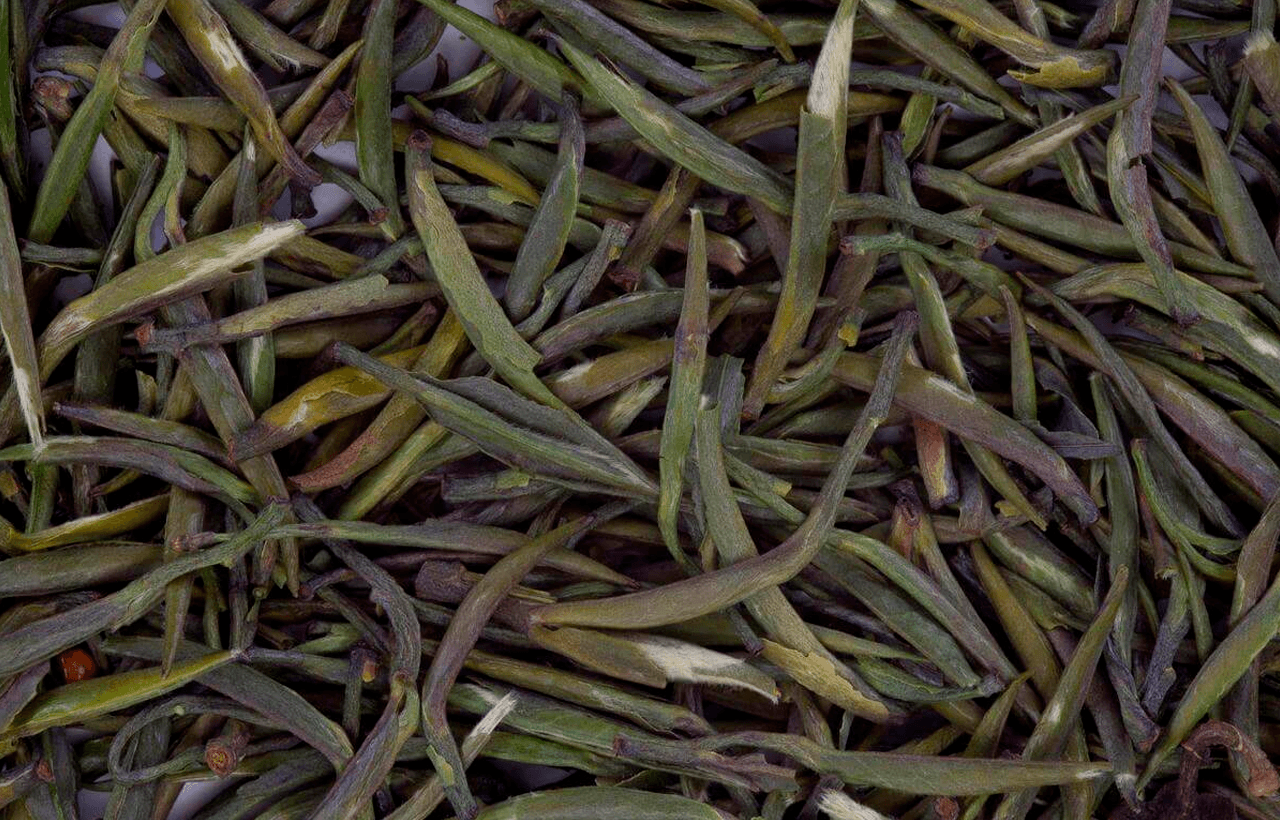
Yellow tea (Huáng Chá) is a lightly fermented (7–10%) tea made from Camellia sinensis leaves that has gone through the mandatory “sweltering” stage under a damp cloth. It is this procedure that sets it apart from all other types. The leaves are not simply dried and rolled — they are slowly warmed in a humid environment to start a controlled oxidation. The result: the sharp grassiness of green tea disappears, but more antioxidants are retained than in black tea.
Production technology: why it is rare
The process is labor-intensive and requires manual work. The raw material is most often buds with one or two leaves. After withering and fixing, the leaves are wrapped in damp paper or cloth and left to swelter for 8–12 hours at 40–50°C. Then they are dried and the cycle is repeated up to 3 times. Up to 25 thousand tea buds go into one kilogram. That is exactly why real yellow tea has always been expensive and rare — an imperial drink.
Chinese and Egyptian yellow tea
Two different products hide under one name. Chinese yellow tea is a leaf tea from the camellia. Egyptian yellow tea is an infusion of fenugreek seeds (helba). Only the color unites them. In composition and character they are different things. From here on we are talking only about Chinese yellow tea.
Chemical composition of yellow tea
The main active substance is not caffeine in its pure form but its tandem with L-theanine. Theanine is often associated with relaxation without drowsiness, while caffeine is a tonic. The result is “calm alertness”: a clear mind without the jitters.
Antioxidants and polyphenols
In catechin content (EGCG), yellow tea is behind green tea but ahead of black tea. Thanks to the sweltering, part of the polyphenols turn into milder forms. Flavonoids (rutin, quercetin) are also present.
Alertness and the nervous system
Here is the key difference from black tea or coffee: many people find that yellow tea gives a softer lift, thanks to theanine.
Why is yellow tea the “golden mean” between green and black? Because the sweltering technology solves the main problem of green tea — the aggressiveness of tannins. You get antioxidants, almost as in green tea, and at the same time a gentle lift of the kind black tea does not give. That is what technology means for the cup, not just for the taste.
Hanna Vasileuskaya, editor of the Tea24 online store blog
People with hypertension should be careful and keep to no more than 2 cups a day. For everyone else, it is a pleasant morning or daytime drink.
What makes yellow tea special
Regular drinking (2–3 cups a day, not on an empty stomach) lets you enjoy the following:
- A velvety taste. The sweltering removes the sharp grassiness typical of green tea.
- Antioxidants. More of them are retained than in black tea.
- A gentle lift. Caffeine together with L-theanine gives a calm alertness.
- Rarity. Labor-intensive production by hand makes real yellow tea a rare, imperial drink.
Possible downsides and cautions
Even such a delicate drink can cause trouble if you don’t know moderation. Here are the situations in which it is better to give it up:
- Stomach ulcer and gastritis in the acute phase. Even a mild tea raises acidity on an empty stomach.
- Severe hypertension. Caffeine is still present, so it is risky.
- Pregnancy (1st trimester). Theine can be an issue if you are sensitive to caffeine.
- Insomnia. Don’t drink it after 4 p.m. if you have trouble sleeping.
- Iron-deficiency anemia. Tannins bind iron from food — drink it between meals, not during them.
How to tell real yellow tea from a fake
Green tea that is slightly over-roasted, or a blend with flavorings, is often sold on the market. Here is a cheat-sheet table:
| Feature | Real yellow tea | Fake (green or low-grade) |
| Color of the dry leaf | Yellowish-green, matte, with a golden sheen | Bright green or dark green, glossy |
| Aroma of the dry tea | Warm, nutty, with notes of dried fruit or honey | Sharp, grassy or “hay-like” |
| Taste of the infusion | Velvety, slightly sweet, without bitterness | Astringent, with a bitter edge, or hollow |
| Color of the infusion after the 2nd steeping | Amber-yellow, clear | Yellow-green or cloudy |
| Number of infusions | 4–5 times without losing flavor | 2–3 times, then “water” |
Rules for brewing yellow tea
A mistake in temperature or time turns an elite tea into bitter swill. Follow the simple rules.
Temperature and teaware
Water — 75–80°C (definitely not boiling). Teaware — a glass teapot (so you can see the leaves) or porcelain. Clay is not suitable: it will “eat” the delicate aroma. For 150 ml, take 3–4 grams of dry leaf (about a heaping teaspoon).
Step-by-step instructions
- Rinse the teapot with hot water to warm the walls.
- Add the leaves and pour water over them for 5 seconds. Pour it off immediately — this “rinse” awakens the leaves and washes off dust.
- Pour water in again. Steep for 1–2 minutes (no longer!).
- Pour into cups. The leaves should stay in the teapot.
- For the following infusions, increase the time by 30 seconds. A good grade withstands 4–5 infusions.
Yellow tea is a rare, expensive and very delicate drink that offers its pleasures without aggression. It suits those who like to experiment with flavors and want the most antioxidants from a gentle tea. But remember: its softness is deceptive. Don’t drink it on an empty stomach, don’t brew it with boiling water and don’t give it to children under 12. If you find real Jun Shan Yin Zhen or Meng Ding Huang Ya — take a little and try brewing it properly. Most likely you won’t want to go back to ordinary bagged green tea. And if the budget is limited, buy a quality green tea and sweat it yourself in a steamer at 50°C for a couple of hours. It won’t be yellow tea, but it will make an interesting home experiment.
Frequently asked questions about yellow tea
Which yellow tea is the best?
The most prized and best-known yellow tea is Junshan Yinzhen (君山银针) from China. It is famous for its delicate, slightly sweet taste, subtle aroma and a unique production process that includes slow withering and light fermentation.


