 EN


If other oolongs can be compared to a delicate watercolor, then the famous Da Hong Pao oolong tea is a dense, deep oil painting. “Big Red Robe,” one of the most legendary teas of China, born in the mountain cliffs of Wuyi, offers not floral tenderness but the power of roasted stone, spiced wood and dark berries. You don’t just drink this tea — you experience it. But its rough strength is deceptive: to reveal its many facets instead of plain bitterness, a special ritual is needed. Let’s see how to turn a meeting with this patriarch of oolongs into an unforgettable experience using three practical methods.
Why does every degree matter here?
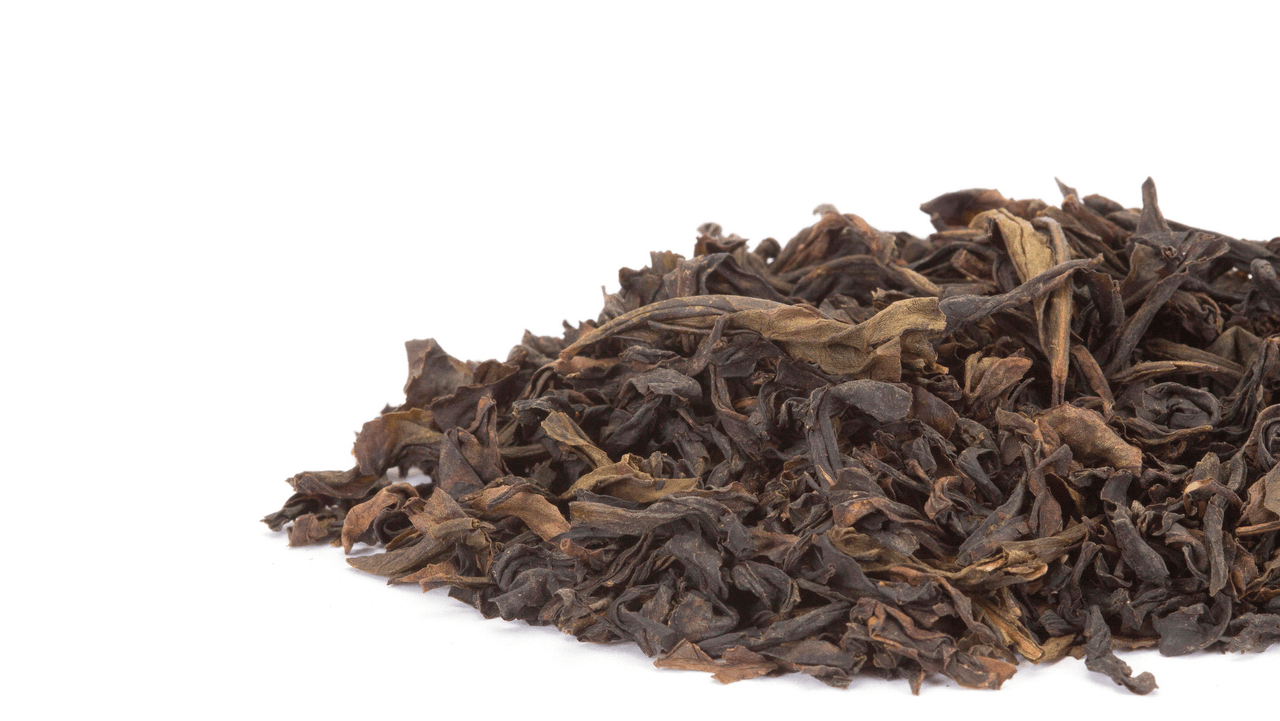
This tea is the pinnacle of the cliff oolong category (yan cha). Its character is shaped on rocky slopes, in conditions of scarce soil, which makes the taste mineral, “bony.” Strong fermentation and long roasting give the leaf a dark brown, almost black color and a lasting aroma of burnt sugar, dried fruit and spices. Unlike green oolongs, Da Hong Pao is not afraid of high temperatures, but it demands respect. Its soul unfolds gradually, from infusion to infusion, changing from a light smoky astringency to a sweet, velvety aftertaste that tea growers call the “bright seal.”
Three pillars of proper brewing
Success depends not so much on blindly following a recipe as on understanding three fundamentals:
- Temperature. Almost boiling water is needed here — 95-98°C. Underheated water will not extract the deep roasted notes and will leave the tea flat. Bring the water to a rolling boil (the “white water” stage) and start right away.
- Teaware. Yixing clay “seasoned” with dark oolongs or dense porcelain is ideal. Clay softens the water and rounds out the taste. Metal and thin glass are not recommended.
- Water. Soft, spring or filtered. Hard tap water will clash with the tea’s minerality and make it cloudy.
Da Hong Pao does not forgive carelessness. A green oolong will forgive slightly hotter water — it will just turn a little bitter. But “Big Red Robe” at a low temperature will refuse to open fully: you will get only smoke and astringency, with neither velvety sweetness nor a mineral aftertaste. The rule that works with it is “the mightier the character, the stricter the ritual.” But those who follow the rules will be fully rewarded.
Hanna Vasileuskaya, editor of the Tea24 online store blog
Remember: quality Da Hong Pao is made from whole, fleshy leaf. If the package contains dust and crumbs, it is a low grade or a fake. Real tea can be brewed many times, and with each minute it becomes more interesting.
The ceremonial method (Gongfu Cha)
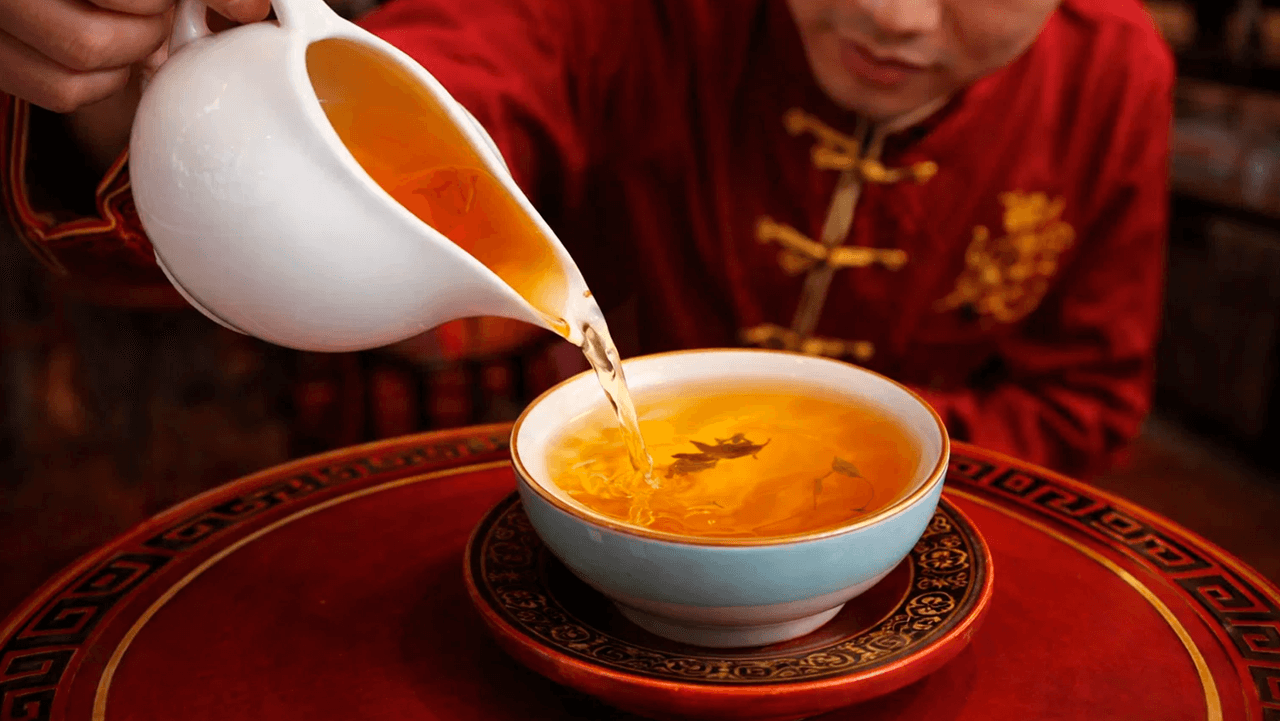
This is a way to have a dialogue with the tea. Prepare a small teapot (150-200 ml), a chahai (serving pitcher) and tea bowls. Add the tea generously — 6-8 grams (about 1/3 of the teapot’s volume). The first infusion is a quick rinse: pour in boiling water (95°C) and pour it off instantly. This “wakes up” the tightly rolled leaf and cleans it. Steep the first real infusion for 10-15 seconds. Drink it slowly, paying attention to the first impression — it is often smoky, with a slight bitterness. The second infusion (15-20 seconds) will open up fruitiness and minerality. Quality Da Hong Pao withstands 8-12 infusions, increasing the time by 5-10 seconds each time. By the 5th-6th infusion the peak of sweetness arrives and the famous long aftertaste appears.
Brewing in a teapot
The classic method for home or work. Put 7-9 grams of tea into a warmed 400-500 ml porcelain or clay teapot. Pour in water at 95°C. The first steeping time is 2-3 minutes. Don’t over-steep! Pour into cups right away. This method gives a rich, unified infusion in which all the shades of flavor blend together. Good Da Hong Pao will give 3-4 full infusions. For each following one, increase the time by 1-2 minutes and raise the water temperature slightly (you can top up with fresh boiling water).
Three ways to brew Da Hong Pao
Let’s compare the key parameters of each approach so you can choose your own.
| Criterion | Multiple infusions (Gongfu Cha) | In a teapot (400-500 ml) | In a thermos (0.5-1 l) |
| Purpose | Meditation, exploring how the flavor transforms | Everyday tea drinking, rich flavor | Long enjoyment, convenience on the road |
| Amount of tea | 6-8 g (densely packed) | 7-9 g | 4-6 g (less because of the long extraction) |
| Temperature | 95-98°C | 95°C | 95-98°C |
| First steeping time | 10-15 sec. | 2-3 min. | 15-30 min. (can be several hours) |
| Flavor character | Dynamic, changing from infusion to infusion | Balanced, powerful, full | Deep, very soft, velvety, without bitterness |
Brewing in a thermos
Contrary to prejudice, a thermos is an excellent tool for Da Hong Pao, if it is made of glass or ceramic. Put 4-6 grams of tea on the bottom per liter of volume. Pour in water at 95-98°C and close the lid. Let it steep for 15-30 minutes. You will get a concentrated, incredibly smooth and sweet infusion in which the initial smoky astringency fades completely, leaving pure mineral sweetness. You can drink it all day, diluting it with hot water.
What to expect from each infusion
The real magic of Da Hong Pao lies in its metamorphoses. The first two infusions are an introduction: power, smoke, a slight bitterness, the aroma of hot stone. The third to fifth infusions are the heart of the ceremony: berry sweetness appears (prune, raisin) along with nutty notes, and the taste becomes rounded and velvety. The sixth to eighth infusions are the aftertaste: the tea lightens, honeyed and floral overtones appear, and a sweet, cool sensation lingers in the throat (the “bright seal”). The ability to recognize these stages is the highest pleasure for a connoisseur.
What not to do
Even a powerful Da Hong Pao can be ruined. Here is what will spoil your tea:
- Weak, underboiled water (below 90°C). The tea will not open up and will stay watery and slightly sour.
- Over-steeping in a teapot. If you steep the first time longer than 4-5 minutes, bitterness will dominate and the following infusions will be poor.
- Poor-quality or old tea. Tea that was stored improperly (absorbed moisture or foreign smells) will never give a clean taste.
- Cold teaware. An unwarmed teapot will instantly take the needed temperature from the water.
Discover your Da Hong Pao
Brewing the legendary Da Hong Pao oolong is not a strict technology but a path of fine-tuning. Start with the classic parameters: almost boiling water, more tea, less time. Allow yourself to experiment: a bit more leaf for more density, a slightly higher temperature for a sharper character, multiple infusions for exploration, a thermos for gentleness. This tea forgives small liberties, but it generously rewards attention and respect for its nature. In the end, the right way is the one that reveals to you the very story of the Wuyi cliffs, making every cup a small journey.
Frequently asked questions about Da Hong Pao tea
How many times can you brew Da Hong Pao?
Da Hong Pao is a high-quality oolong that can be brewed many times, usually 8–12 times and sometimes more (up to 15–20) if the tea is of a high grade and was stored properly. Each infusion reveals new flavor notes: the first 3–4 are the richest, and the following ones are softer and deeper. The main thing is to increase the steeping time each time (starting from 10–15 seconds) and to use hot water (95–100°C). The quality of the water and teaware also affects the result.


