 EN


A scent reminiscent of warm cream or caramel and a delicate, enveloping taste — this is why millions of people around the world have come to love this tea. However, to experience true enjoyment, it is not enough to simply buy a pack labeled “Nai Xiang.” You need to know a few secrets. Properly brewed milk oolong tea is not just a drink but a whole ceremony, and the result depends on the water, temperature, time and, of course, the quality of the leaf itself. Let’s look at how to avoid common mistakes and unlock the full potential of these rolled little balls.
What is hiding inside a tea ball?
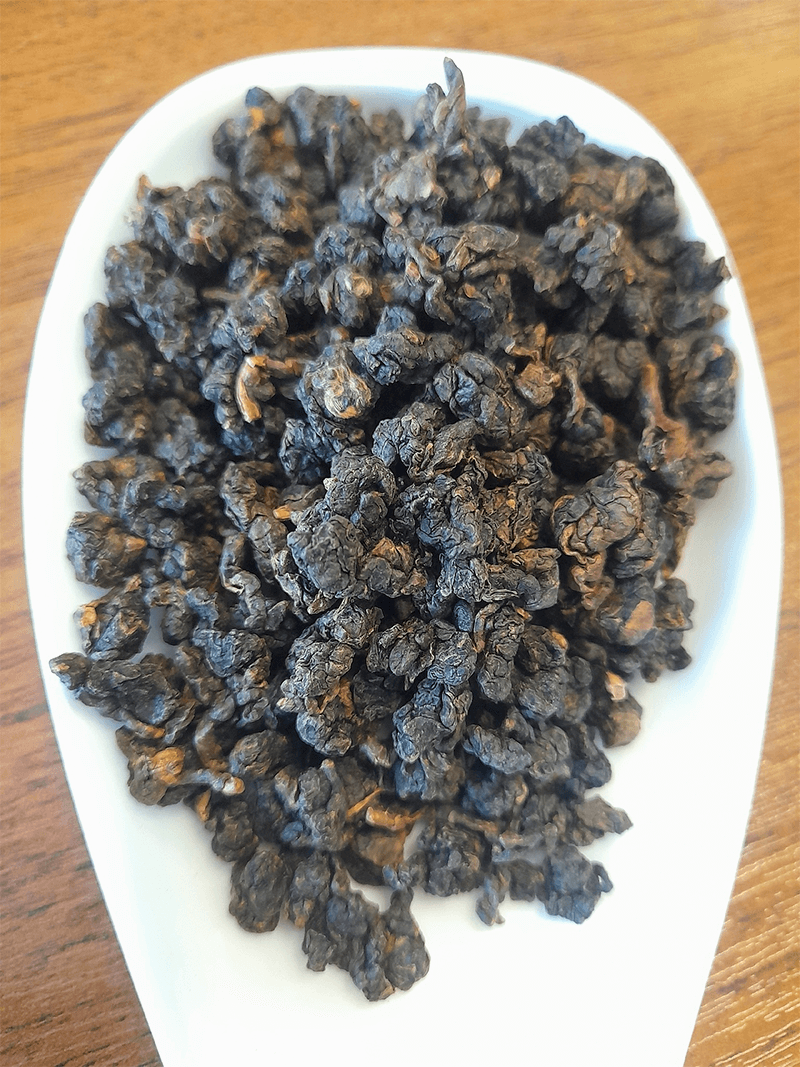
Before you pour water into the teapot, it is worth understanding what exactly you are brewing. The name “milk oolong” most often covers two large categories. The first is the premium Taiwanese cultivar Jin Xuan (“Golden Flower”), developed in the 1980s. Its light creamy notes are a natural characteristic, the result of special high-mountain conditions and the natural lactones in the leaf. The second is flavored Nai Xiang oolongs, where the milky taste is created with food flavorings. This is neither good nor bad — it is simply two different stories. A quality flavored oolong is made from decent raw material, and its taste is bright and unmistakable. Knowing this, you can judge the result fairly and adjust the brewing process to your expectations.
A common myth says that tea bushes are watered with milk or that the leaves are soaked in it. This is nothing more than a pretty fairy tale for tourists. Milk is not used in traditional production. Another important point: real oolong is always large-leaf. If your package contains dust or small broken bits, that is a reason to doubt the quality.
Step-by-step brewing
Brewing oolong is a dialogue with the tea leaf. The goal is to gradually, layer by layer, draw out the whole range of flavors and aromas. For the classic teapot method you will need a porcelain or clay teapot (clay can absorb aromas, so it is better to dedicate one teapot to this tea), good water and, of course, the oolong itself.
- Preparation. Boil the water and be sure to let it cool. The ideal temperature for milk oolong is 80–85°C. Boiling water (100°C) will kill the delicate milky and floral notes and make the infusion harsh and bitter. While the water cools, warm up the teapot: rinse it inside with hot water. This creates the right temperature conditions for the aroma to unfold.
- First meeting with water. Add the tea at a ratio of 1 teaspoon (about 3–5 grams) per 150–200 ml of water. It is recommended not to drink the first infusion but to pour it off 5–10 seconds after the leaves meet the water. This ritual is called “awakening the leaf”: it rinses off any dust and prepares the rolled balls to open fully. You will be surprised how they change after this brief contact.
- Enjoyment. Pour water at 80–85°C over the leaves again and cover the teapot with the lid. The first full infusion takes 2–3 minutes. Pour the finished tea into cups without leaving it in the teapot with the leaves, otherwise it will over-steep and turn bitter. Quality milk oolong withstands 4 to 8 infusions. With each new infusion, increase the steeping time by 30–60 seconds — this way you explore the full depth of flavor, from bright creamy tones to a soft aftertaste.
Brewing parameters
To make all the nuances easier to remember, we have put them into one system. The table below shows the key parameters for each stage of multiple infusions. These figures are a starting point for your future experiments.
| Infusion | Water temperature | Steeping time | What to expect from the taste |
| Rinse (quick) | 85°C | 5-10 seconds | Not for drinking; it prepares the leaf. |
| First | 82-85°C | 2 minutes | Bright milky-floral aroma, light body. |
| Second | 85°C | 2.5-3 minutes | Peak flavor, full opening, velvety texture. |
| Third and later | 85-90°C | +30-60 sec. to the previous one | A deeper, softer taste; caramel notes appear. |
Key points for a perfect result
Besides the basic steps, success depends on the details. Water is the foundation. Hard tap water with chlorine will spoil any tea, even the most expensive one. Use soft bottled or filtered water. Teaware is the second important factor. Metal strainers and thermoses are not suitable, since metal can react and distort the taste. The best choice is porcelain, glass or clay.

Don’t rush. A tea ceremony is the opposite of fast food. Watch as the dense emerald balls slowly unfurl into whole leaves in the hot water, filling it with color and aroma. This process is calming in itself. And finally, don’t use sugar. It bluntly overpowers the delicate balance of flavor. If you crave sweetness, pair the tea with natural marshmallow or a light dessert.
Remember that practice gives the best results. Try changing the amount of tea, the temperature and the time, and keep your own “tea journal.” Only this way will you find the perfect balance that suits you.
Many beginners are afraid of making a mistake when brewing milk oolong. But fear paralyzes. In fact, even if you over-steep the first infusion a little or the temperature is a couple of degrees higher, the tea won’t turn into poison — it will simply show itself a bit differently. But if you don’t try, make mistakes and adjust, you will never find “your” taste. Chinese masters say: “The right way is the one you like.” Experiment, and the tea will answer.
Hanna Vasileuskaya, editor of the Tea24 online store blog
How to avoid ruining your tea
Even knowing the theory, it is easy to slip up in practice. Here are the three most common mistakes that can make your oolong taste bad:
- Boiling water, the tea killer. The most frequent mistake. If the tea is bitter and has no aroma, in 90% of cases the water is too hot. Get a simple thermometer or let boiling water cool for 3-4 minutes.
- Over-long first steeping. If you leave the first infusion for more than 4 minutes, the tea will release too many tannins. It will become astringent, and the following infusions will be poor in flavor.
- Too small a dose. If you are stingy and put half a spoonful into a large cup, you will get a pale, tasteless liquid. Oolong likes generosity — the density of leaf in the water should be high.
What to pair milk oolong with and when to drink it
This tea is versatile, but there are nuances. The ideal time is the first half of the day or mid-afternoon. Because of its moderate caffeine content it is gentler than coffee, but in the evening it is still better not to drink it if you have sensitive sleep.
As for food pairings, things get more interesting. Natural Jin Xuan with its complex bouquet is best enjoyed on its own, without food. Flavored Nai Xiang pairs well with neutral or creamy desserts. Here are a few good ideas:
- Classic meringue or cloud-like marshmallow;
- Cottage cheese casserole with raisins;
- Shortbread cookies with white chocolate;
- Light fruit salads without sharp citrus notes.
But milk oolong clashes with lemon, ginger and spicy seasonings — it is better to leave such experiments for other types of tea.
Frequently asked questions about milk oolong
What is the optimal brewing temperature for milk oolong?
The optimal brewing temperature for milk oolong is 90–95°C. A higher temperature (closer to 95°C) suits heavily oxidized oolongs, bringing out their rich flavor and aroma, while 90°C suits more delicate varieties. Steep for 3–5 minutes to avoid bitterness.


