 EN


A visit to the banya is not only about cleansing the body, but also about deep rest that helps you recover and feel better. One of the key elements of this ritual is a well-chosen drink. Tea helps restore your fluid balance, replenish lost minerals, and adds new shades of pleasure to your time in the banya.
In this article we explain which tea suits the banya best, why Chinese teas deserve a closer look, and share tips for holding a tea ceremony in the steam room.
During a banya visit the body actively loses fluids and minerals. High heat speeds up metabolism, opens the pores and increases sweating. Tea is a great ally in this process, thanks to:
- Hydration. Tea quenches thirst and helps restore the water and salt balance.
- Replenishing minerals. Many varieties contain potassium, magnesium and antioxidants.
- Relaxation. Some kinds of tea have a gentle, calming effect and help you unwind.
- An extra ritual. A tea ceremony in the banya adds elegance and deeper relaxation to the steaming experience.
Why is Chinese tea ideal for the banya?
Chinese teas stand out for their unique flavor, rich composition and variety of character. They help make up for lost fluids while being a real pleasure to drink:
In the banya any drink will quench your thirst. But Chinese tea does something more — it acts as a bridge between the heat of the steam room and inner calm. Oolongs gently focus the mind, pu-erhs cleanse deeply, and white teas refresh without sharpness. Above all, they are a gentler choice than coffee or strong black tea. Chinese masters say: «Steam cleanses the body, and tea cleanses the mind.» That is why a good banya should always have good tea.
Hanna Vasileuskaya, editor of the Tea24 online shop blog
- Oolongs. Medium-oxidized oolongs such as Tieguanyin or Da Hong Pao suit both the time before the steam room and the time after. They help you relax and leave a feeling of lightness.

- Sheng and Shu Pu-erh. These teas have a rich, deeply cleansing character. Pu-erhs are invigorating and are great for slow tea drinking between rounds in the steam room.
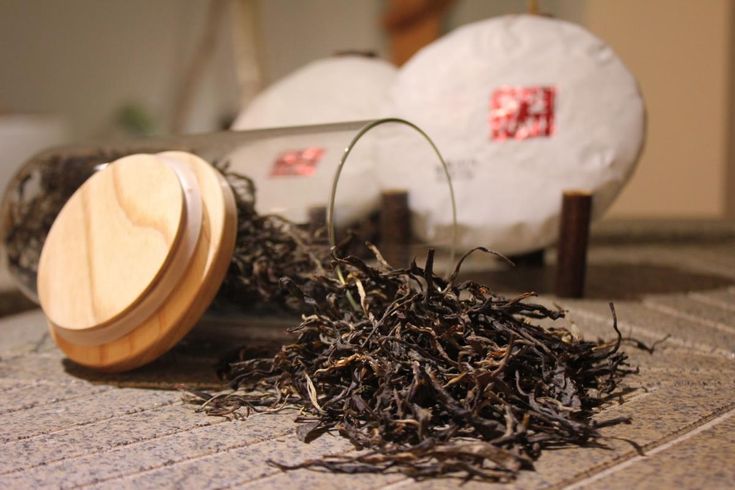
- Green teas. A bright aroma and soft taste make green teas such as Longjing ideal for quenching thirst. Rich in antioxidants, green tea is refreshing and helps you restore your fluid balance.

- White teas. Soft and light, such as Bai Hao Yin Zhen or Yue Guang Bai, they are perfect for relaxing after the banya. They refresh and give energy without feeling heavy. We would especially point out aged white teas and Yunnan white teas from old trees — these teas have honey and oak-and-pine notes, similar to the aromas of the banya itself.

- Jasmine tea. Green tea scented with natural jasmine petals has a harmonizing effect and helps you enjoy the moment.

Tea ceremonies in the banya
For lovers of the banya and of beautiful rituals, a mini tea ceremony is easy to organize. It adds not only pleasure, but also an element of contemplation:
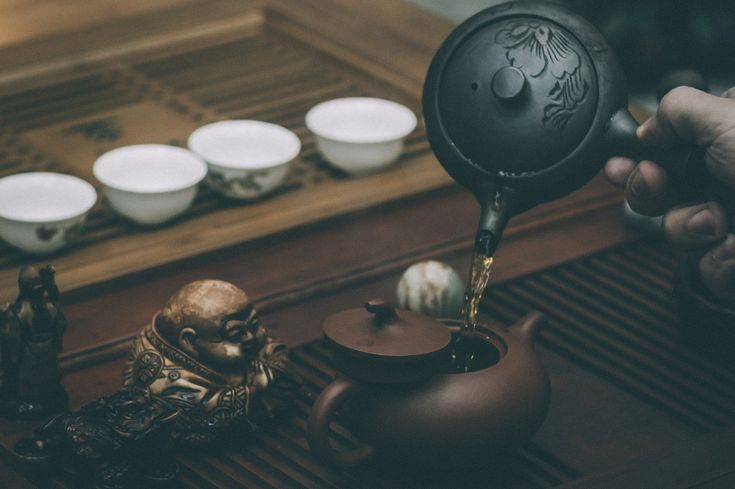
- Choosing teaware: a classic tea ceremony set works very well for tea in the banya — a gaiwan, a chahai (fairness pitcher) and small cups. This teaware lets you brew in multiple short infusions, getting a fresh serving each time, and keeps the tea at a comfortable temperature. If you do not have a traditional set, you can use an ordinary glass teapot. This way suits steeping better, when the leaves are covered with hot water for a few minutes.
- Brewing methods:
- If you use traditional teaware, choose the multiple-infusion method: the tea is brewed in small portions, and each infusion lasts from a few seconds to a minute. This approach brings out the taste and aroma of the tea better and is gentle on the body.
- With a teapot, steeping works well. The leaves are covered with water for 3–5 minutes, and then the tea is poured into cups. This is convenient if you prefer a stronger taste and want to brew once for several servings.
- Enjoying the process. A tea ceremony helps you slow down, focus on the taste and aroma of the tea, and deepen the feeling of relaxation and harmony that the banya brings. You can add meditation, deep breathing or unhurried conversation with friends.
- Setting the mood. For even more enjoyment you can use aroma lamps or essential oils to create a cozy atmosphere. Together with warm steam and soft light, the ritual becomes a real treat for body and soul.
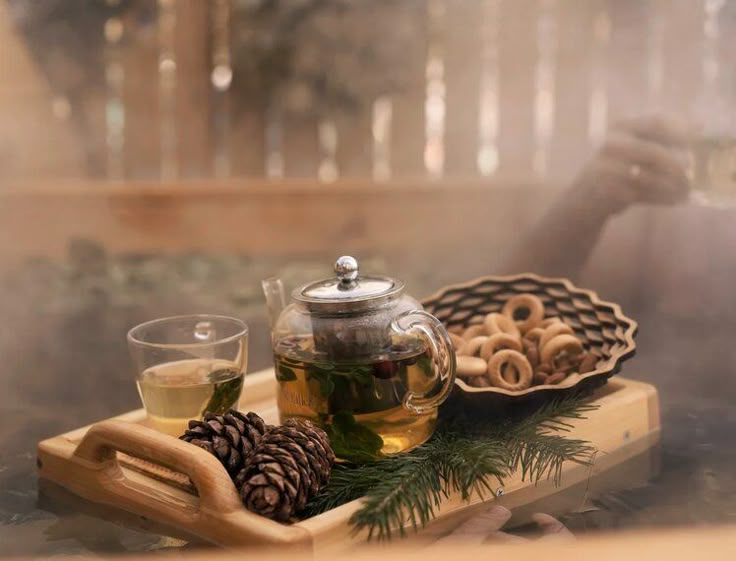
Herbal blends
Although Chinese tea is wonderful for the banya, herbal blends and other natural infusions are also a great choice, especially if you prefer something milder in high heat. Here are a few popular options:
- Ivan chai (fireweed). Popular in Russia, ivan chai has a soothing, mild herbal taste, which makes it a good choice if you look for calm after an intense banya session.
- Mint. Refreshing and relaxing, mint is a lovely drink after the steam room. Its gentle menthol aroma refreshes the breath and lifts your mood.
- Karkade (hibiscus). An infusion of hibiscus petals has a bright, tart taste that refreshes, and its deep red color pleases the eye.
- Ginger tea. Ginger is known for its warming, stimulating character. It is a nice choice after heavy sweating.
- Rosehip. A familiar source of vitamin C, rosehip makes a drink with a pleasant tart taste that quenches thirst well.
- Blue tea (Anchan, butterfly pea). This unusual drink from Thailand stands out for its bright blue color and light floral-herbal taste. It helps you unwind and lifts your mood.
- Buckwheat tea (Ku Qiao). Rich in trace elements, buckwheat tea quenches thirst well. Its nutty, grainy taste complements the atmosphere of banya relaxation.
Tea for the banya: tips for choosing and drinking
- Before the banya: invigorating teas such as pu-erh or black tea are a good fit. They give you a boost of energy before the heat.
- During the banya: green and white teas help quench thirst and cool you down. Brew them gently.
- After the steam room: relaxing and refreshing teas such as oolongs or herbal blends are a nice way to finish.
Conclusion
Tea in the banya is part of a ritual that combines benefit and pleasure and helps you relax and recover. Chinese teas are ideal for it thanks to their rich character, variety of flavors and unique qualities.
Try adding a tea ceremony to your banya routine and discover new sides of rest and harmony. Enjoy a light steam, drink good tea and stay good people!
Frequently asked questions about tea in the banya
What goes well with tea in the banya?
In the banya, tea pairs well with honey, lemon, fresh or dried berries (raspberry, currant, rosehip), ginger, mint or orange slices — they add warmth, replenish fluids and bring vitamins. Traditionally it is drunk with dried fruit, jam or herbs (thyme, linden). Avoid alcohol — it dehydrates.


